
A good vegetable soup recipe is one of those kitchen staples that never really goes out of style. It works as a light lunch a starter before dinner or a full meal on a cold evening and it manages to feel both comforting and genuinely nutritious at the same time. Whether the goal is using up produce sitting in the fridge or building a reliable weekly meal this dish delivers on almost every front.
This guide covers everything worth knowing about building a great pot of vegetable soup from the ground up. It walks through ingredient choices broth options seasoning tips storage advice and variations for different dietary needs along with a full step by step recipe anyone can follow. Whether cooking for one person or a whole family this article gives a complete practical roadmap for getting it right.
Table of Contents
What Is a Vegetable Soup Recipe
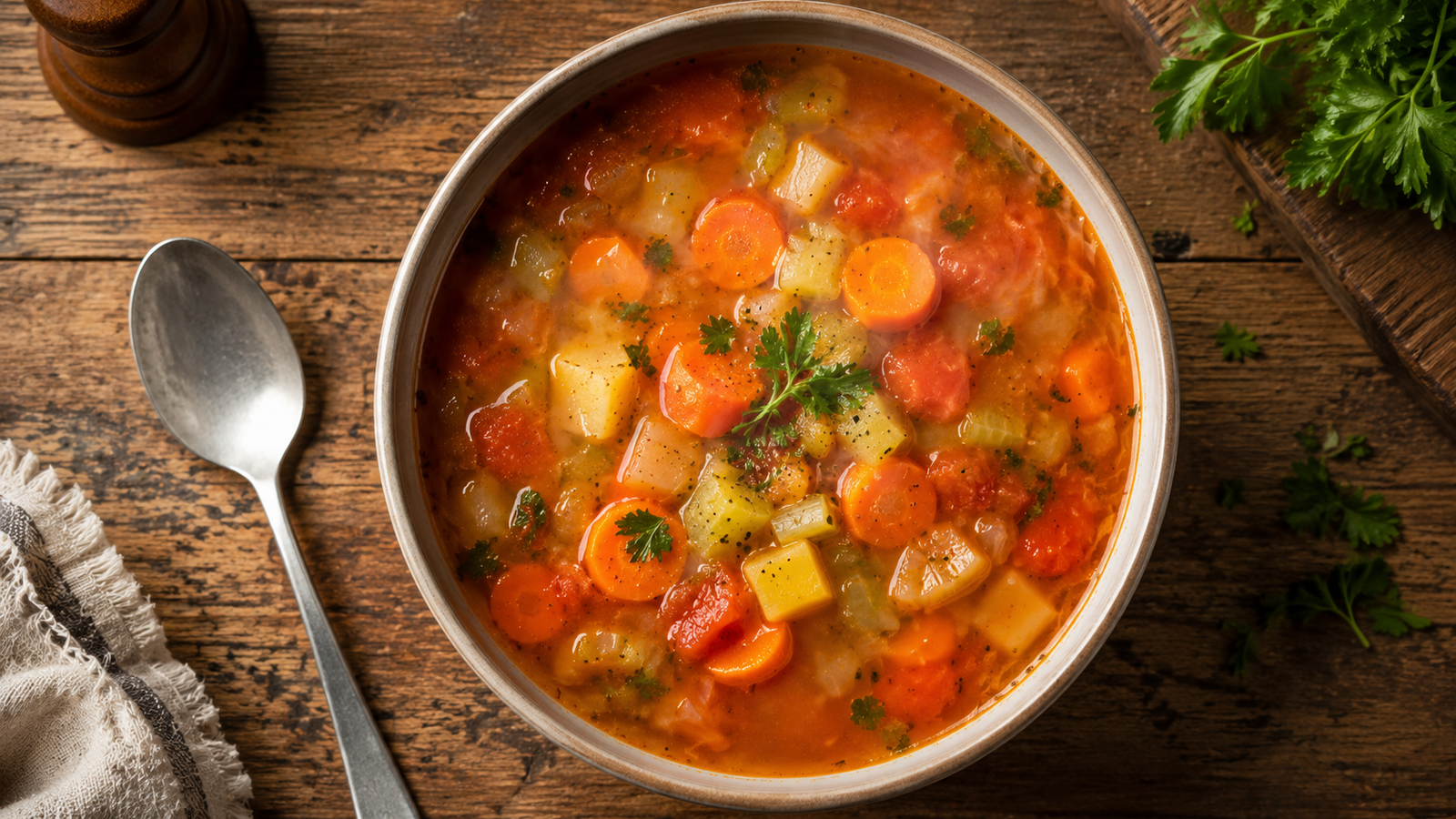
This kind of dish is built around a warm broth centered on a mix of fresh or frozen vegetables simmered together until tender and flavorful. Unlike cream based soups vegetable soup typically relies on a clear or lightly thickened broth which keeps the dish naturally lower in calories while still delivering plenty of fiber vitamins and minerals from the vegetables themselves.
The beauty of this kind of recipe lies in its flexibility since almost any combination of vegetables works as long as the cooking times are staggered correctly so nothing turns mushy or undercooked. Carrots celery onion tomatoes and leafy greens form a common base though the exact mix often depends on what is in season or already sitting in the refrigerator. This adaptability is part of why vegetable soup remains a kitchen staple across so many different cultures and cooking traditions.
Why Vegetable Soup Deserves a Regular Spot in Your Rotation
Vegetable soup offers an unusually efficient way to pack a large amount of produce into a single meal without much effort. A single pot can easily contain five or six different vegetables which makes it one of the simplest ways to meet daily vegetable intake goals that many people otherwise struggle to reach through separate side dishes. The Harvard T.H. Chan School of Public Health notes that most adults fall short of recommended vegetable intake and soup offers an easy way to close that gap.
Beyond the nutritional benefits vegetable soup is also remarkably forgiving in the kitchen since it tolerates substitutions well and rarely requires precise measurements to turn out tasting good. It reheats beautifully often tasting even better the next day as the flavors continue to develop which makes it an ideal candidate for batch cooking. These practical advantages combined with genuine nutritional value explain why this dish has remained a reliable choice across generations of home cooks.
The Latest Update on Homemade Soup Trends
Interest in homemade soups has grown steadily as more people look for ways to stretch grocery budgets while still eating well particularly during colder months. Vegetable soup fits neatly into this trend since it can be built almost entirely from affordable pantry staples and whatever produce happens to be on sale that week.
There has also been a noticeable shift toward using vegetable scraps and less common produce in soups as part of a broader movement to reduce food waste in home kitchens. Carrot tops celery leaves and vegetable peels are increasingly being simmered into homemade broths rather than discarded which adds flavor while making the most of every ingredient purchased. The Natural Resources Defense Council links this kind of resourceful cooking to meaningful reductions in household food waste. This resourceful approach reflects a growing appreciation for cooking that is both economical and environmentally conscious.
Choosing the Right Vegetables for Your Soup
Root vegetables like carrots potatoes and parsnips hold up well during long simmering and add natural sweetness along with satisfying texture to the finished soup. Onion celery and garlic form the aromatic base of most homemade soups providing depth of flavor that carries through the entire dish even after everything else has cooked down.
Softer vegetables such as zucchini spinach and peas should generally be added later in the cooking process since they cook much faster and can turn mushy or lose their color if simmered for too long. Canned diced tomatoes or fresh tomatoes add acidity and brightness that balances the richness of the broth while frozen vegetables work perfectly well as a convenient substitute when fresh produce is not available or in season.
Building the Perfect Broth Base
Vegetable broth or stock forms the foundation of flavor for the entire dish which makes choosing a good quality base worth the extra attention. Store bought low sodium vegetable broth works well for convenience though homemade broth made from simmered vegetable scraps and aromatics often delivers noticeably richer flavor at almost no additional cost.
For those who prefer more depth without meat a splash of soy sauce a parmesan rind simmered in the pot or a spoonful of tomato paste can add savory complexity often described as umami. Seasoning gradually throughout the cooking process rather than all at once allows the flavors to build properly and tasting frequently helps avoid an overly salty or bland final result.
Simple Recipe Anyone Can Follow
This straightforward version serves about six and comes together in under an hour. Start by heating a tablespoon of olive oil in a large pot over medium heat then add one diced onion two chopped carrots and two chopped celery stalks cooking until softened for about five minutes. Stir in three minced garlic cloves and cook for another minute until fragrant.
Add one can of diced tomatoes six cups of vegetable broth two diced potatoes and one teaspoon each of dried thyme and dried oregano then bring the mixture to a boil before reducing to a simmer for about twenty minutes until the potatoes are tender. Stir in two cups of chopped green beans or zucchini and simmer for another ten minutes then finish with a couple of handfuls of fresh spinach stirred in just until wilted. Season with salt and pepper to taste before serving warm with a slice of crusty bread on the side.
Flavor Variations Worth Trying
An Italian inspired version can be built by adding a can of white beans a handful of small pasta shapes and a generous amount of fresh basil along with a rind of parmesan simmered in during cooking. This variation turns a simple broth based soup into something heartier and more filling without adding much complexity to the process.
A Mexican inspired take might include corn black beans diced bell pepper and a can of fire roasted tomatoes finished with fresh lime juice and cilantro. Curry spiced vegetable soup made with cumin turmeric and a splash of coconut milk offers another flavorful direction for anyone looking to break away from a more traditional herb based version.
A French inspired take often leans on leeks fennel and a bay leaf simmered slowly to build a delicate savory broth finished with a touch of fresh tarragon. This style tends to feel lighter than heartier bean or pasta based versions while still delivering plenty of comforting flavor. Rotating between a few favorite regional styles throughout the season is an easy way to keep the same basic technique feeling new each time it shows up on the table.
Meal Prep Friendly Vegetable Soup Ideas
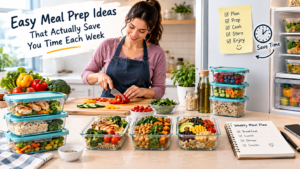
Vegetable soup freezes exceptionally well which makes it one of the most practical dishes for batch cooking. Preparing a large pot at the start of the week and portioning it into individual containers allows for quick reheating throughout busy weekdays without needing to cook from scratch every time.
Leaving out delicate ingredients like leafy greens or pasta until reheating helps preserve their texture better than freezing them directly in the soup. Labeling containers with the date and reheating gently on the stove or in the microwave rather than at very high heat helps maintain the best flavor and texture when eating prepped soup later in the week.
Vegetable Soup for Weight Loss
Because vegetable soup is naturally low in calories relative to its volume it can be a genuinely useful tool for weight management particularly when eaten as a starter before a main meal to help control overall portion size. Choosing a clear broth base over anything cream based keeps the calorie count reasonable while still delivering a satisfying filling meal.
Loading the pot generously with a wide variety of vegetables rather than relying heavily on starchy additions like potatoes or pasta increases the fiber and nutrient density of the dish without adding many calories. A bowl built this way tends to be remarkably filling for its calorie count which makes it easy to fit into a weight loss focused eating pattern without feeling restrictive.
Reviews and Feedback From People Who Make Vegetable Soup Regularly
Many home cooks who add vegetable soup to their weekly rotation report that it becomes one of the easiest meals to rely on particularly during busy weeks when there is little time or energy left for cooking from scratch each night. This feedback shows up consistently across cooking forums and family meal planning communities where the dish is frequently described as a dependable go to rather than an occasional treat.
Some feedback notes that the soup can taste slightly bland on the first attempt if seasoning is not adjusted properly throughout cooking rather than only at the end. Once that adjustment is made most people describe the results as consistently satisfying with many mentioning that leftovers taste even better than the first serving as the flavors continue to develop overnight.
Common Mistakes to Avoid When Making Vegetable Soup
One frequent mistake is adding all the vegetables to the pot at the same time regardless of how quickly they cook which results in some pieces turning mushy while others remain undercooked. Adding heartier vegetables first and softer ones toward the end produces a much better texture throughout the finished dish.
Underseasoning is another common issue since vegetable based broths can taste flat without enough salt herbs or acidity to balance the flavors. Tasting and adjusting seasoning gradually throughout cooking rather than only at the very end helps avoid this problem. Finally using low quality or overly diluted broth as the base often results in a soup that lacks depth no matter how good the vegetables themselves are so investing in a decent broth or stock is worth the extra effort.
Why This Dish Is Trending Right Now
Interest in homemade vegetable soup tends to rise naturally during colder months though recent years have also seen sustained interest tied to budget conscious cooking and a broader focus on eating more vegetables in general. Social media recipe accounts have helped popularize creative variations that keep the dish feeling fresh rather than repetitive.
At the same time growing awareness around food waste reduction has brought renewed attention to using vegetable scraps and less common produce in homemade soups. This combination of practicality nutrition and adaptability across different cuisines explains why this dish continues to perform well across recipe blogs meal planning content and seasonal cooking guides.
Tips for Building Your Own Vegetable Soup Routine
Start by keeping a mental list of vegetables that tend to go unused before spoiling since soup is one of the best ways to use them up before they go to waste. A helpful approach similar to the framework covered in Nutravyntra’s healthy eating guides is to think in terms of aromatics plus hearty vegetables plus a flavorful broth plus fresh herbs added at the end. This keeps the recipe flexible enough to rotate ingredients based on the season without losing the balance that makes it satisfying.
Making a big batch on a weekend and freezing portions for later is one of the easiest ways to always have a healthy meal on hand during busy weeks. Keeping a few favorite flavor variations in rotation rather than making the exact same version every time also helps prevent the meal from feeling repetitive over the course of a season.
Frequently Asked Questions
How long does vegetable soup last in the fridge?
Properly stored vegetable soup generally stays fresh for four to five days in the refrigerator when kept in an airtight container. It also freezes well for up to three months making it a great option for longer term meal prep.
Can I freeze vegetable soup?
Yes vegetable soup freezes very well especially if delicate ingredients like leafy greens or pasta are added fresh after thawing rather than frozen directly in the soup. Portioning it into individual containers before freezing makes reheating quick and convenient.
What vegetables work best in vegetable soup?
Carrots celery onion potatoes and tomatoes form a reliable base while softer vegetables like zucchini spinach and peas work best added toward the end of cooking. Almost any combination of vegetables can work as long as cooking times are staggered appropriately.
Is vegetable soup good for weight loss?
Yes vegetable soup is naturally low in calories relative to its volume which makes it a filling option that supports weight management goals. Loading the pot with a wide variety of vegetables rather than starchy additions helps keep the calorie count low while boosting fiber.
Can vegetable soup be made vegan?
Yes as long as vegetable broth is used instead of any meat based stock and any optional cheese additions like parmesan rind are left out or swapped for a plant based alternative. The base recipe itself is naturally plant based without any modifications needed.
How can I make vegetable soup taste less bland?
Seasoning gradually throughout cooking rather than only at the end and adding acidity from tomatoes or a splash of vinegar or lemon juice near the finish can significantly improve flavor. A rind of parmesan or a splash of soy sauce simmered into the broth also adds savory depth.
Can I add pasta or rice to vegetable soup?
Yes small pasta shapes or rice can be added toward the end of cooking to make the soup heartier though they should be cooked separately if freezing leftovers since starches can become overly soft when frozen and reheated. Adding them fresh at serving time helps maintain the best texture.
What is the best broth to use for vegetable soup?
Low sodium vegetable broth allows the most control over final seasoning though homemade broth made from simmered vegetable scraps often delivers deeper flavor. Store bought options work well for convenience without significantly compromising the final result.
Conclusion
A great vegetable soup recipe proves that simple affordable ingredients can come together into something genuinely comforting and nutritious without much effort. With a flexible base that welcomes substitutions countless flavor variations and excellent freezer friendly qualities this dish earns its place as a reliable staple in any kitchen.
Whether the goal is using up produce before it spoils building a weight conscious meal or simply having something warm and satisfying ready for a busy week starting with the recipe and tips covered in this guide is an easy way to make vegetable soup a regular part of the routine. For more practical food guidance visit Nutravyntra and explore additional ways to build balanced everyday meals.