
Quick answer: Soya chunks protein per 100g is about 52 to 53 g when dry, with 330 to 350 calories and almost no fat, based on brand labels such as Nutrela. Most people eat about 25 to 30 g of dry chunks at a time, which gives about 13 to 16 g of protein.
Soya chunks, also called soya badi or meal maker, are one of the cheapest and richest vegetarian protein foods you can buy. A small pack lasts for weeks, and once soaked, the chunks soak up curry, pulao or chaat masala beautifully.
This guide covers soya chunks nutrition per 100 g, protein in common portions, dry vs cooked values, soya vs paneer and chicken, how much to eat in a day, benefits, side effects and easy ways to cook them.
Table of Contents
Soya Chunks Nutrition per 100g (Dry)
Values are approximate and based on popular brand labels such as Nutrela Soya Chunks. Always check the label on your own pack.
| Nutrient | Per 100 g dry soya chunks |
|---|---|
| Calories | About 330 to 350 kcal |
| Protein | About 52 to 53 g |
| Carbohydrates | About 33 g |
| Dietary fiber | About 13 g |
| Fat | Less than 1 g |
| Added sugar | 0 g |
What this means: more than half the weight of dry soya chunks is protein, and they have almost no fat. That is why they are so popular with vegetarians who want more protein without extra fat.
Soya Chunks Protein in Common Portions
Based on about 52 g protein and 345 kcal per 100 g dry. Numbers are rounded.
| Dry soya chunks | Protein | Calories |
|---|---|---|
| 25 g (a small handful) | About 13 g | About 86 kcal |
| 30 g (a typical serving) | About 16 g | About 104 kcal |
| 50 g | About 26 g | About 173 kcal |
| 100 g | About 52 g | About 345 kcal |
Dry vs Soaked: Why the Numbers Look Different
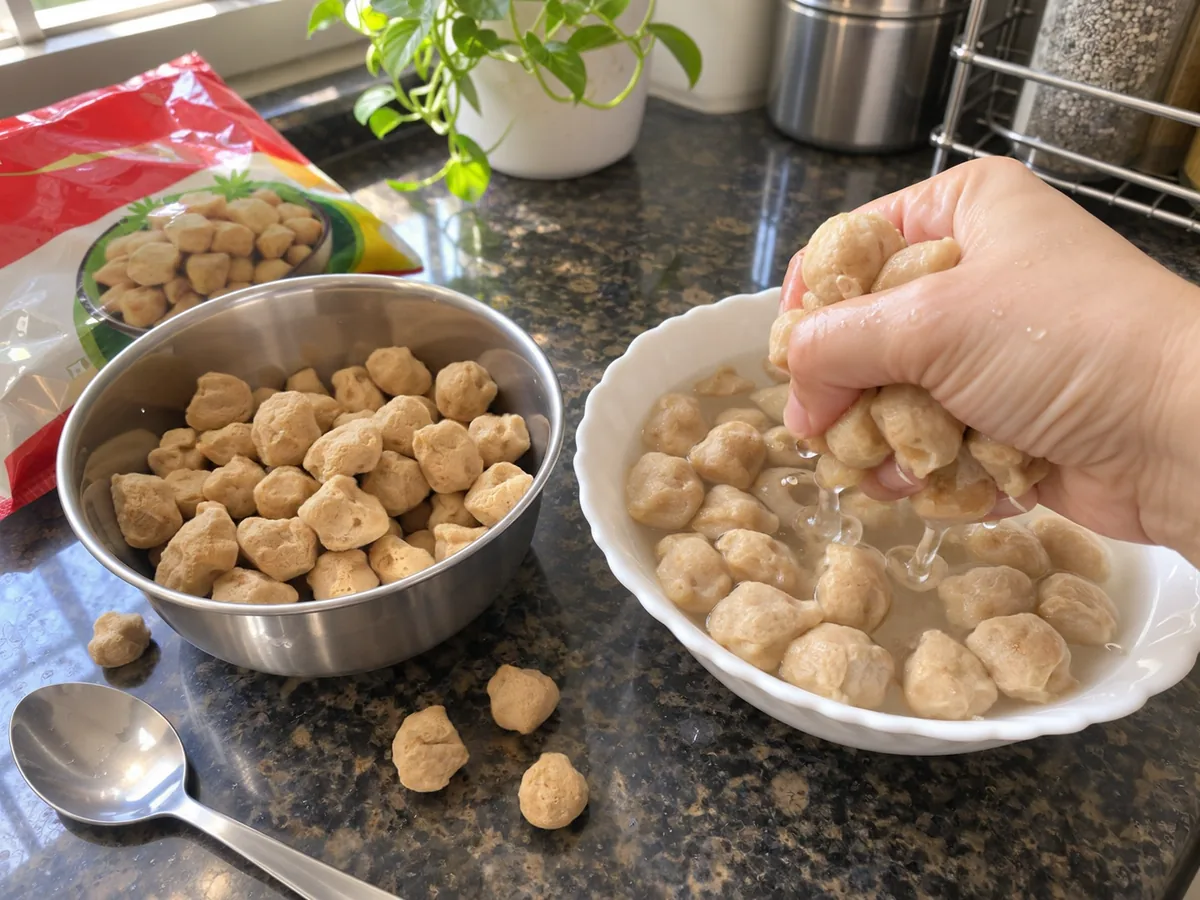
Soya chunks swell when you soak or boil them, because they absorb water. They often become about 3 times heavier. The protein does not disappear, but it is spread over more weight.
- 100 g dry chunks: about 52 g protein.
- 100 g soaked chunks: made from roughly 30 to 35 g of dry chunks, so about 15 to 18 g protein.
Tip: For accurate tracking, weigh soya chunks dry, before soaking, and use the dry values above.
Soya Chunks vs Paneer vs Chicken vs Eggs
Per 100 g. Soya values are dry. Other values are from USDA FoodData Central and brand labels, and are approximate.
| Food (100 g) | Protein | Calories | Protein per 100 kcal |
|---|---|---|---|
| Soya chunks (dry) | About 52 g | About 345 kcal | About 15 g |
| Chicken breast, cooked | About 29 g | About 151 kcal | About 19 g |
| Paneer (full fat) | About 20 g | About 323 kcal | About 6 g |
| Firm tofu | About 16 g | About 144 kcal | About 11 g |
| Whole eggs (about 2 eggs) | About 12.5 g | About 143 kcal | About 9 g |
| Lentils (dal), boiled | About 9 g | About 116 kcal | About 8 g |
- Per 100 g, dry soya chunks have the most protein of any common food on this list.
- Per calorie, they come close to chicken breast and give far more protein than paneer.
- For vegetarians, soya chunks are one of the best value protein foods.
For a detailed look at paneer, read our guide to paneer protein per 100g. For chicken, see boiled chicken breast calories, and for eggs, how many eggs you can eat a day.
Health Benefits of Soya Chunks
- Complete plant protein: Soy contains all the essential amino acids, which is rare for a plant food, according to the Harvard T.H. Chan School of Public Health.
- Very low in fat: Soya chunks are made from defatted soy flour, so they have almost no fat.
- High in fiber: About 13 g of fiber per 100 g dry helps digestion and keeps you full.
- Budget friendly: They cost much less per gram of protein than paneer, chicken or protein powder.
- Long shelf life: Dry chunks keep for months in a sealed container.
How Much Soya Chunks Can You Eat in a Day?
There is no official daily limit. For most healthy adults, 25 to 50 g of dry soya chunks a day is a sensible amount. That gives about 13 to 26 g of protein.
The general protein recommendation for adults is about 0.8 g per kg of body weight per day, according to Harvard Health. A 60 kg adult needs about 48 g, so 30 g of dry soya chunks covers about a third of that. New to the topic? Read protein meaning in Hindi for a simple explanation.
It is best to mix soya with other protein foods such as dal, chana, curd, paneer, eggs and nuts instead of eating very large amounts every day.
Side Effects and Who Should Be Careful
- Gas and bloating: The high fiber can cause gas if you are not used to it. Start with a small portion and soak the chunks well.
- Soy allergy: People allergic to soy should avoid soya chunks completely.
- Thyroid medicine: Soy may affect how well the body absorbs thyroid medicine, according to the Mayo Clinic. If you take it, ask your doctor about timing.
- Kidney disease: If you have been told to limit protein, ask your doctor before adding high protein foods.
Does Soya Affect Hormones in Men?
This is a common worry. Soy contains plant compounds called isoflavones, but Harvard’s Nutrition Source notes that eating soy foods in normal amounts is safe for most people. Moderate portions of soya chunks as part of a varied diet are not a cause for concern for most men. If you have a specific health condition, speak to your doctor.
Soya Chunks for Weight Loss and Gym
Weight loss: Soya chunks are high in protein and fiber and very low in fat, so they keep you full on fewer calories. The catch is cooking: rich, oily gravies can add more calories than the soya itself. Use little oil, and pair soya with vegetables.
Muscle building: Their complete protein makes soya chunks a strong choice for vegetarians who work out. 50 g dry gives about 26 g of protein, similar to a serving of chicken.
For snack ideas like soya chunk chaat, see our list of high protein snacks for weight loss.
How to Cook Soya Chunks
- Boil water, add a pinch of salt and switch off the heat.
- Add the dry soya chunks and let them soak for 10 to 15 minutes until soft.
- Drain, rinse with fresh water and squeeze out the extra water. This also removes the raw soy smell.
- Use them in your recipe.
Healthy Soya Chunks Ideas
| Idea | Why it is a good choice |
|---|---|
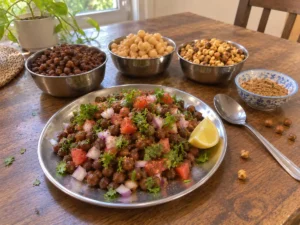
| Soya chunk chaat | Mix with onion, tomato, cucumber, lemon and chaat masala, no oil needed |
| Soya and vegetable stir fry | Quick, high protein dinner with very little oil |
| Light soya curry | Tomato-onion gravy with little oil, eat with roti |
| Soya pulao | Adds protein to rice, use more vegetables than rice |
| Soya keema or bhurji | Minced soya with onion, tomato and peas |
| Soya in salads or wraps | Grilled spiced chunks with vegetables and curd dip |
Enjoy fried soya snacks and very oily, creamy soya gravies only sometimes.
Soya Chunks Protein per 100g in Hindi
100 ग्राम सूखे सोया चंक्स (सोया बड़ी) में लगभग 52 से 53 ग्राम प्रोटीन होता है, साथ में लगभग 330 से 350 कैलोरी, करीब 13 ग्राम फाइबर और लगभग न के बराबर फैट होता है। भिगोने के बाद सोया चंक्स पानी सोखकर लगभग 3 गुना भारी हो जाते हैं, इसलिए भीगे हुए 100 ग्राम में लगभग 15 से 18 ग्राम प्रोटीन होता है। ज़्यादातर स्वस्थ लोग दिन में 25 से 50 ग्राम सूखे सोया चंक्स खा सकते हैं। अगर आपको सोया से एलर्जी है या आप थायरॉइड की दवा लेते हैं, तो डॉक्टर से सलाह लें।
| सूखे सोया चंक्स | प्रोटीन | कैलोरी |
|---|---|---|
| 25 ग्राम | लगभग 13 ग्राम | लगभग 86 |
| 50 ग्राम | लगभग 26 ग्राम | लगभग 173 |
| 100 ग्राम | लगभग 52 ग्राम | लगभग 345 |
Frequently Asked Questions
How much protein is in 100g of soya chunks?
About 52 to 53 g of protein per 100 g of dry soya chunks, based on brand labels such as Nutrela.
How much protein is in 50g of soya chunks?
About 26 g of protein and around 173 calories in 50 g of dry soya chunks.
How much protein is in 100g of cooked soya chunks?
About 15 to 18 g, because soaked chunks absorb water and become about 3 times heavier.
Which is better, soya chunks or paneer?
Dry soya chunks have much more protein (about 52 g vs 20 g per 100 g) and almost no fat. Paneer gives more calcium and a richer taste. Both can fit a healthy diet.
Is soya chunks better than chicken for protein?
Per 100 g, dry soya chunks have more protein than cooked chicken breast. Per calorie, chicken is slightly ahead. Soya is the better choice for vegetarians and costs less.
Can I eat soya chunks every day?
Most healthy adults can eat a moderate portion, about 25 to 50 g dry, every day as part of a varied diet.
Is soya chunks good for weight loss?
Yes. They are high in protein and fiber and very low in fat. Cook them with little oil and pair them with vegetables.
Are soya chunks safe for men?
Eating soya in normal amounts is considered safe for most people, including men. If you have a hormone-related condition, ask your doctor.
Can I eat soya chunks if I have thyroid problems?
Many people can, but soy may affect the absorption of thyroid medicine. Speak to your doctor about how and when to take your medicine.
What are soya chunks made of?
Soya chunks are made from defatted soy flour, which is left after the oil is taken out of soybeans. The flour is shaped into chunks and dried.
Final Thoughts
Soya chunks protein per 100g is about 52 g dry, which makes them one of the richest and cheapest vegetarian protein sources available. Soak them well, cook them with little oil, keep portions to about 25 to 50 g dry a day and mix them with dal, curd, paneer and vegetables. That way you get the protein benefits without the gas, extra oil or boredom.
This article is for general information and does not replace advice from a doctor or registered dietitian.
Sources
- Open Food Facts: Nutrela Soya Chunks label information
- USDA FoodData Central: nutrient values for chicken breast, eggs, tofu and lentils
- Harvard T.H. Chan School of Public Health, The Nutrition Source: Straight Talk About Soy
- Mayo Clinic: Soy and hypothyroidism
- Harvard Health Publishing: How much protein do you need every day?