
Oatmeal has always had a reputation as a comforting simple breakfast but on its own it often leaves people hungry again within an hour. High protein oatmeal solves this problem by turning a basic bowl of oats into a meal that supports muscle repair steady energy and lasting fullness. It has become one of the most searched breakfast upgrades among people who want something warm and familiar without sacrificing nutrition.
This guide breaks down everything worth knowing about building a protein oatmeal routine. It covers why plain oats fall short on protein how to boost that number without ruining the taste which add ins work best for different goals and how to prep it ahead for busy mornings. Whether the goal is weight loss muscle building or simply feeling satisfied until lunch this article walks through practical ways to make it happen.
Table of Contents
What Is High Protein Oatmeal
Protein oatmeal is a version of traditional oatmeal that has been modified to contain significantly more protein per serving usually somewhere between twenty and forty grams depending on the recipe. Plain rolled oats contain a modest amount of protein on their own around five to six grams per serving which is far below what most people need from a single meal to feel satisfied and support muscle maintenance, even though the Mayo Clinic notes that oats remain a strong source of soluble fiber for heart health.
The extra protein typically comes from ingredients stirred into the oats while cooking or mixed in afterward such as protein powder Greek yogurt egg whites milk or nut butter. The base cooking method stays largely the same which is part of why this approach has become so popular. It does not require learning a new recipe from scratch. It simply upgrades a food many people already eat regularly into something more nutritionally complete.
Why Protein Matters So Much at Breakfast
Protein plays a unique role in how satisfied a meal makes you feel compared to carbohydrates or fat. It takes longer to digest and triggers hormones that signal fullness to the brain which means a breakfast built around adequate protein tends to prevent the mid morning hunger and snacking that often follows a low protein meal like plain oatmeal or sugary cereal.
Beyond satiety protein consumed earlier in the day supports muscle protein synthesis which is the process your body uses to repair and build muscle tissue. Research summarized by Harvard Health Publishing suggests that spreading protein intake evenly across the day rather than loading it all into dinner produces better outcomes for people focused on strength training or muscle maintenance. Starting the day with a protein rich breakfast like this kind of oatmeal gives the body an early head start on this process rather than leaving it to catch up later.
The Latest Update on High Protein Breakfast Trends
Interest in high protein breakfasts has climbed sharply as more nutrition guidance shifts toward protein distribution across meals rather than a single large dinner portion. Registered dietitians increasingly recommend aiming for a meaningful protein target at breakfast often between twenty five and forty grams which plain oatmeal alone cannot deliver without help.
This shift has also been shaped by the growing popularity of high protein diets tied to strength training weight management and general metabolic health. Oat based breakfasts have adapted well to this trend because oats already offer fiber and slow releasing carbohydrates making them a natural base to build on rather than replace. The result is a wave of recipes and store bought products marketed specifically as protein oats reflecting how mainstream this approach has become.
How to Boost the Protein in Regular Oatmeal
The simplest way to increase protein content is stirring a scoop of protein powder into the oats once they finish cooking. Vanilla or unflavored whey or plant based protein blends well without overpowering the taste and can add fifteen to twenty five grams of protein depending on the brand. It works best mixed in after cooking rather than during since high heat can sometimes affect texture and clumping.
Another effective method involves cooking the oats in milk instead of water since dairy or fortified plant milk adds several grams of protein compared to water alone. Folding in Greek yogurt after cooking is another popular technique that adds both protein and a creamy texture without needing any additional flavoring. Whisking in egg whites during the final minute of cooking is a less common but highly effective option that blends into the oats almost seamlessly while adding a substantial protein boost without altering the flavor much.
Best Protein Add Ins for Oatmeal
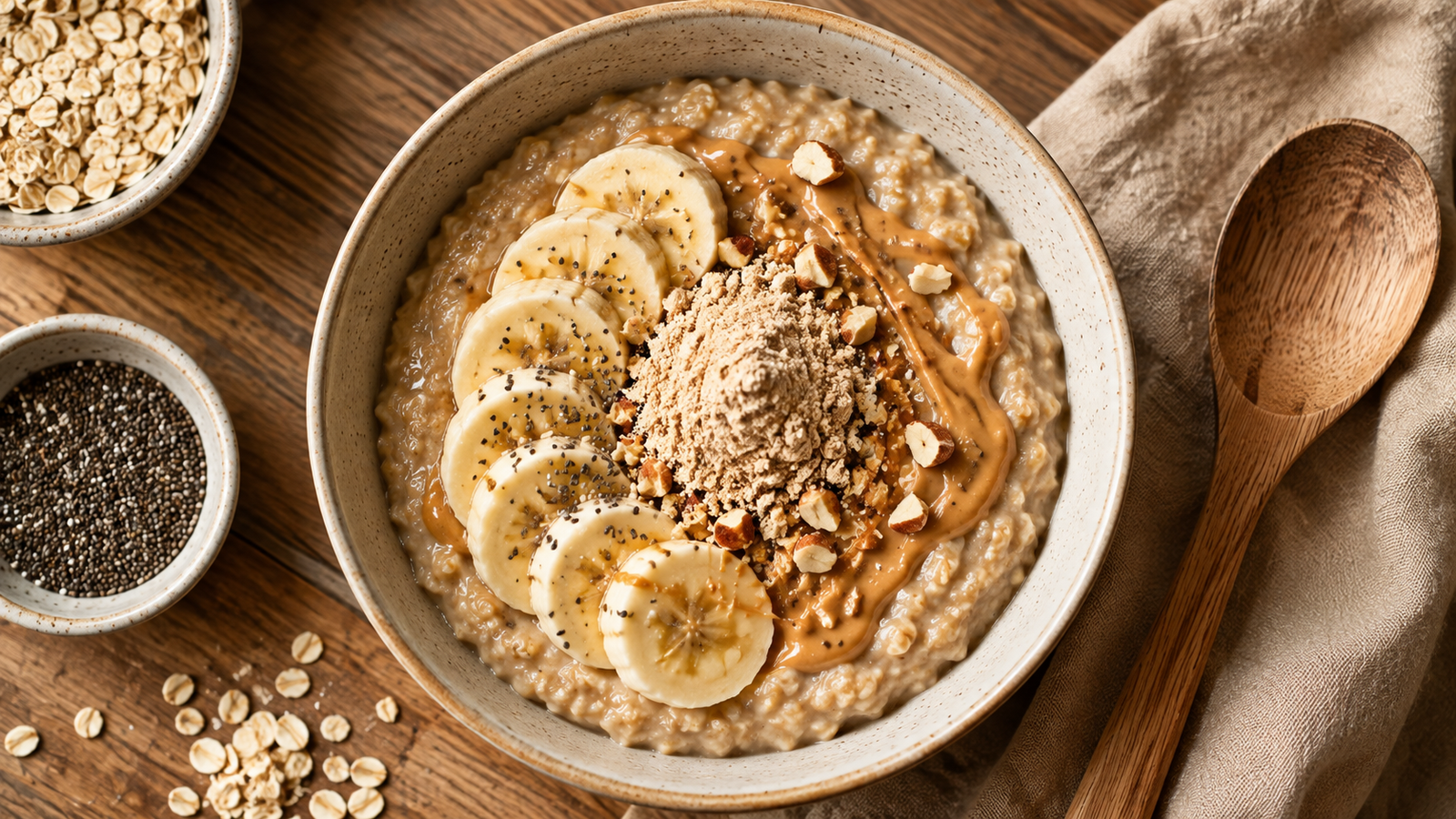
Nut butters like peanut almond or cashew butter add both protein and healthy fat which slows digestion further and extends fullness even longer than protein alone. A tablespoon or two stirred in at the end also adds richness that many people find makes the oatmeal taste more like a treat than a health food. Chia seeds and hemp seeds are smaller contributors to protein but they add useful amounts along with fiber and omega three fats making them a smart addition even in small quantities.
Cottage cheese has also become a popular oatmeal mix in for people chasing higher protein numbers since a half cup can add well over ten grams of protein with a mild flavor that blends surprisingly well once stirred through warm oats. Collagen powder is another option some people use though it is worth noting collagen is not a complete protein since it lacks certain essential amino acids so it works best as a supplement to other protein sources rather than a replacement for them.
Simple Protein Oatmeal Recipes for Busy Mornings
A fast weekday option involves cooking half a cup of rolled oats in a cup of milk then stirring in a scoop of vanilla protein powder along with a spoonful of peanut butter and a handful of berries once removed from heat. This combination typically delivers well over thirty grams of protein while keeping prep time under ten minutes which makes it realistic for even the busiest mornings.
For those who prefer no cooking at all overnight oats offer a convenient alternative. Combine oats milk Greek yogurt a scoop of protein powder and a touch of honey in a jar the night before then refrigerate. By morning the oats soften into a creamy texture that can be eaten cold straight from the fridge or topped with fruit and nuts for extra texture and nutrients.
Meal Prep Friendly Protein Oatmeal Ideas
Baked oatmeal is one of the most efficient ways to prep protein rich oats in bulk since a single baking dish can produce four to six servings that reheat well throughout the week. Combine oats eggs milk protein powder mashed banana and a touch of cinnamon in a baking dish then bake until set. The result can be cut into squares and stored in the refrigerator making mornings nearly effortless.
Mason jar overnight oats prepped in batches at the start of the week offer another practical option especially for anyone who eats breakfast on the go. Preparing four or five jars at once with slightly different toppings such as berries in one cocoa powder in another and nut butter in a third keeps the routine from feeling repetitive while still saving significant time compared to cooking fresh oatmeal daily.
Protein Oatmeal for Weight Loss
For weight management the fiber and protein combination in protein oats work together to extend fullness which can naturally reduce the urge to snack before lunch. Choosing lower calorie protein additions like egg whites or a light protein powder rather than large amounts of nut butter or sweeteners helps keep the meal calorie conscious while still delivering a strong protein number.
Portion control also matters since oats themselves are calorie dense even though they are nutritious. A reasonable serving built around half a cup of dry oats combined with a moderate protein boost and fresh fruit for natural sweetness tends to strike the right balance for weight loss goals without leaving the meal feeling restrictive or unsatisfying.
Protein Oatmeal for Muscle Building
Anyone focused on building muscle typically needs a higher overall calorie and protein intake which makes protein oatmeal an efficient breakfast choice since it can be scaled up easily. Using a full cup of dry oats combined with a full scoop of protein powder milk instead of water and a generous spoonful of nut butter can push a single serving well past forty grams of protein along with a solid calorie count to support training demands.
Adding a banana or a scoop of honey provides quick digesting carbohydrates that support recovery from earlier or upcoming workouts. Some athletes also add a source of creatine or additional collagen for joint support though these are optional additions rather than essential components of a muscle building oatmeal bowl.
Reviews and Feedback From People Who Switched to Protein Oatmeal
Many people who add protein to their regular oatmeal report a noticeable difference in how long they stay full compared to plain oats which often left them hungry well before lunch. This feedback appears consistently across fitness and nutrition communities where this kind of oatmeal is frequently mentioned as an easy swap that requires little adjustment to an existing routine.
Some feedback also points to taste as an initial hurdle particularly with certain protein powder flavors that can clash with oats if not chosen carefully. Vanilla and unflavored powders tend to receive the most positive feedback while heavily artificial flavors are more likely to be described as overpowering. Overall sentiment remains strongly favorable with most people describing the extra effort as minimal compared to the benefit of a more satisfying breakfast.
Common Mistakes to Avoid With Protein Oatmeal
One frequent mistake is adding protein powder while the oats are still boiling which can cause clumping or a slightly rubbery texture in certain brands. Stirring protein powder in after the oats have finished cooking and cooled slightly usually produces a smoother result. Another common issue is relying too heavily on sweeteners or flavored protein powders which can turn what should be a balanced meal into something closer to dessert in terms of sugar content.
Skipping fiber rich toppings is another missed opportunity since many people focus entirely on the protein number while forgetting that fruit nuts and seeds add valuable fiber vitamins and healthy fats that make the meal more complete. Finally some people underestimate portion sizes and end up with a bowl that is either too small to be satisfying or unintentionally high in calories from excessive add ins so measuring ingredients at least occasionally helps keep the meal aligned with individual goals.
Why Protein Oatmeal Is Trending Right Now
The rise of protein oatmeal closely tracks broader interest in high protein eating patterns influenced by strength training culture social media recipe trends and updated nutrition guidance around protein distribution throughout the day. Fitness influencers and home cooks alike have popularized countless variations making the concept feel accessible rather than niche or complicated.
At the same time convenience plays a major role in why this trend has stuck around rather than fading quickly. Protein oatmeal fits easily into meal prep routines works well for people avoiding dairy or meat depending on the protein source chosen and requires no specialized equipment beyond a stove or microwave. This combination of nutritional relevance and practical simplicity explains why it continues to show up across recipe blogs fitness apps and grocery store shelves alike.
Tips for Building Your Own Protein Oatmeal Routine
Start by deciding which protein source fits your lifestyle best whether that is a protein powder Greek yogurt egg whites or a combination of several add ins. From there think in terms of a simple formula similar to the approach covered in Nutravyntra’s healthy eating guides base grain plus protein source plus healthy fat plus fruit or flavor. This keeps the meal flexible enough to rotate ingredients without losing the nutritional balance that makes it worthwhile.
It also helps to batch prep at least once a week even if only partially such as portioning dry oats and protein powder into containers in advance so morning assembly takes only a minute or two. Consistency tends to matter more than perfection with this kind of routine so choosing a version you genuinely enjoy eating will make it far easier to stick with long term compared to forcing down a bowl that feels more like a chore than a meal.
Frequently Asked Questions
How much protein should protein oatmeal have?
Most protein packed oatmeal recipes aim for twenty to forty grams of protein per serving depending on individual goals. Athletes or those focused on muscle building often target the higher end of that range while others may find twenty to twenty five grams sufficient.
Can I make protein oatmeal without protein powder?
Yes ingredients like Greek yogurt egg whites cottage cheese and milk can all significantly boost protein content without needing a powder. Combining two or more of these sources often reaches a similar protein total to using powder alone.
Is protein oatmeal good for weight loss?
Yes the combination of fiber and protein supports fullness which can reduce overall calorie intake later in the day. Choosing lighter protein additions and controlling portion size helps keep the meal aligned with weight loss goals.
Does adding protein powder change how oatmeal tastes?
It can depending on the flavor and brand chosen with vanilla and unflavored powders generally blending in most smoothly. Strongly flavored powders are more likely to noticeably change the taste of the finished oatmeal.
Can I meal prep this kind of oatmeal for the week?
Yes both baked oatmeal and overnight oats store well in the refrigerator for several days making them convenient for batch preparation. Reheating gently rather than using high heat helps maintain the best texture when eating prepped oatmeal later in the week.
Is protein oatmeal suitable for vegans?
Yes as long as plant based protein powder or add ins like nut butter chia seeds and fortified plant milk are used instead of dairy or eggs. This keeps the meal fully plant based while still reaching a strong protein total.
What is the best liquid to cook protein packed oatmeal in?
Milk or fortified plant milk adds more protein than water alone which makes it a popular choice for anyone trying to maximize the protein content of their oatmeal. Water still works well for those prioritizing a lower calorie option.
How long does protein oatmeal keep you full?
Most people report feeling satisfied for three to four hours after eating a well balanced serving thanks to the combined effect of fiber and protein. This can vary based on portion size activity level and what other add ins are included.
Conclusion
High protein oatmeal takes a familiar comforting breakfast and turns it into a meal that genuinely supports energy fullness and muscle maintenance throughout the morning. With so many simple ways to boost protein from powders and yogurt to eggs and nut butter there is no need to overhaul an entire routine just to make oatmeal work harder for your goals.
Whether the priority is weight management muscle building or simply making it to lunch without a hunger crash starting with one of the ideas covered in this guide is an easy way to build a more satisfying breakfast habit. For more practical food guidance visit Nutravyntra and explore additional ways to build a nutritious daily routine.