
Chicken salad often gets a bad reputation for being loaded with mayonnaise and sitting closer to a treat than a nutritious meal. A healthy chicken salad flips that idea completely by keeping the protein high the vegetables fresh and the dressing light enough to support real health goals instead of working against them. It has become a go to option for anyone who wants something quick satisfying and genuinely good for the body.
This guide covers everything worth knowing about building this dish from scratch. It walks through the best ingredients to use lighter dressing alternatives meal prep strategies and variations for different dietary goals like weight loss and muscle building. Whether the meal is for lunch dinner or a make ahead option for busy weekdays this article gives a complete practical roadmap.
Table of Contents
What Is a Healthy Chicken Salad
This kind of dish is a version of the classic recipe built around lean cooked chicken fresh vegetables and a lighter dressing rather than the heavy mayonnaise based versions found in many delis and grocery stores. The goal is to keep the protein and fiber content high while trimming unnecessary calories from added sugar and excess fat so the meal actually supports energy and fullness rather than just tasting rich.
This approach usually swaps traditional full fat mayonnaise for options like plain Greek yogurt avocado or a light vinaigrette. Vegetables such as celery grapes apples or leafy greens are often added not just for crunch and flavor but to boost fiber and micronutrient content. The result is a dish that still feels indulgent and satisfying while fitting comfortably into a balanced eating pattern.
Why Chicken Salad Deserves a Healthier Reputation
Traditional chicken salad recipes lean heavily on mayonnaise which can push the calorie and fat content of a single serving far higher than most people expect. A cup of standard chicken salad can easily contain several hundred calories from dressing alone before any bread or crackers are added. This is part of why chicken salad has historically been viewed as more of an occasional treat than an everyday healthy option.
Chicken itself however is one of the most valuable lean protein sources available according to the Cleveland Clinic which is exactly why this classic dish deserves a second look. Skinless chicken breast delivers a substantial amount of protein with very little fat making it an excellent base for a meal that supports muscle maintenance and lasting fullness. Once the dressing and add ins are adjusted the dish transforms into something that can realistically be eaten several times a week without guilt.
The Latest Update on Lighter Chicken Salad Trends
Interest in lighter versions of classic comfort foods has grown steadily as more people look for ways to keep favorite dishes in their routine without derailing their nutrition goals. Chicken salad has followed this pattern closely with Greek yogurt based versions becoming especially popular thanks to their creamy texture and significant protein boost compared to traditional mayonnaise.
Registered dietitians and food bloggers alike have also embraced smaller shifts such as using avocado as a dressing base or relying on a light olive oil and lemon vinaigrette instead of anything creamy at all. These updates reflect a broader movement toward high protein satisfying meals that do not require sacrificing flavor. As a result lighter chicken salad recipes now appear across meal prep blogs fitness focused cookbooks and everyday family meal rotations.
Choosing the Right Chicken for Your Salad
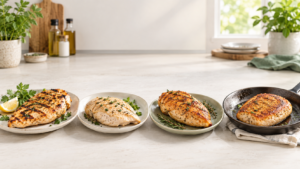
Skinless boneless chicken breast is the most common choice for this kind of salad since it delivers the highest protein to fat ratio among common cuts. Poaching or baking the chicken rather than frying it keeps the preparation light while still producing tender flavorful meat once shredded or diced. Rotisserie chicken with the skin removed is another convenient option for anyone short on time since it cuts prep work significantly while still offering solid protein content.
Chicken thighs can also work well for those who prefer a slightly richer flavor though they do carry more fat than breast meat so portion size becomes more important. Canned chicken breast packed in water is a budget friendly pantry option that works in a pinch though the texture differs noticeably from freshly cooked chicken. Whichever cut is chosen cooking it without heavy oil or butter keeps the base of the salad as light as possible before any dressing is added.
Healthier Dressing Alternatives for Chicken Salad
Plain Greek yogurt is one of the most popular substitutes for mayonnaise since it delivers a similar creamy texture while adding a meaningful amount of protein and cutting a substantial portion of the fat and calories. The Mayo Clinic notes that yogurt is a smart everyday protein source worth building meals around. A small amount of Dijon mustard lemon juice and black pepper mixed into the yogurt can replicate much of the tangy flavor people expect from a classic dressing without needing any mayonnaise at all.
Mashed avocado is another excellent base that adds healthy monounsaturated fat along with a naturally creamy consistency. For an even lighter option a simple vinaigrette made from olive oil lemon juice and a touch of honey or mustard can dress the salad without adding heaviness though it produces a noticeably different texture than a creamy version. Combining a small amount of avocado with a spoonful of Greek yogurt often gives the best balance of creaminess and lightness for those who cannot decide between the two approaches.
Nutrient Boosting Add Ins for Chicken Salad
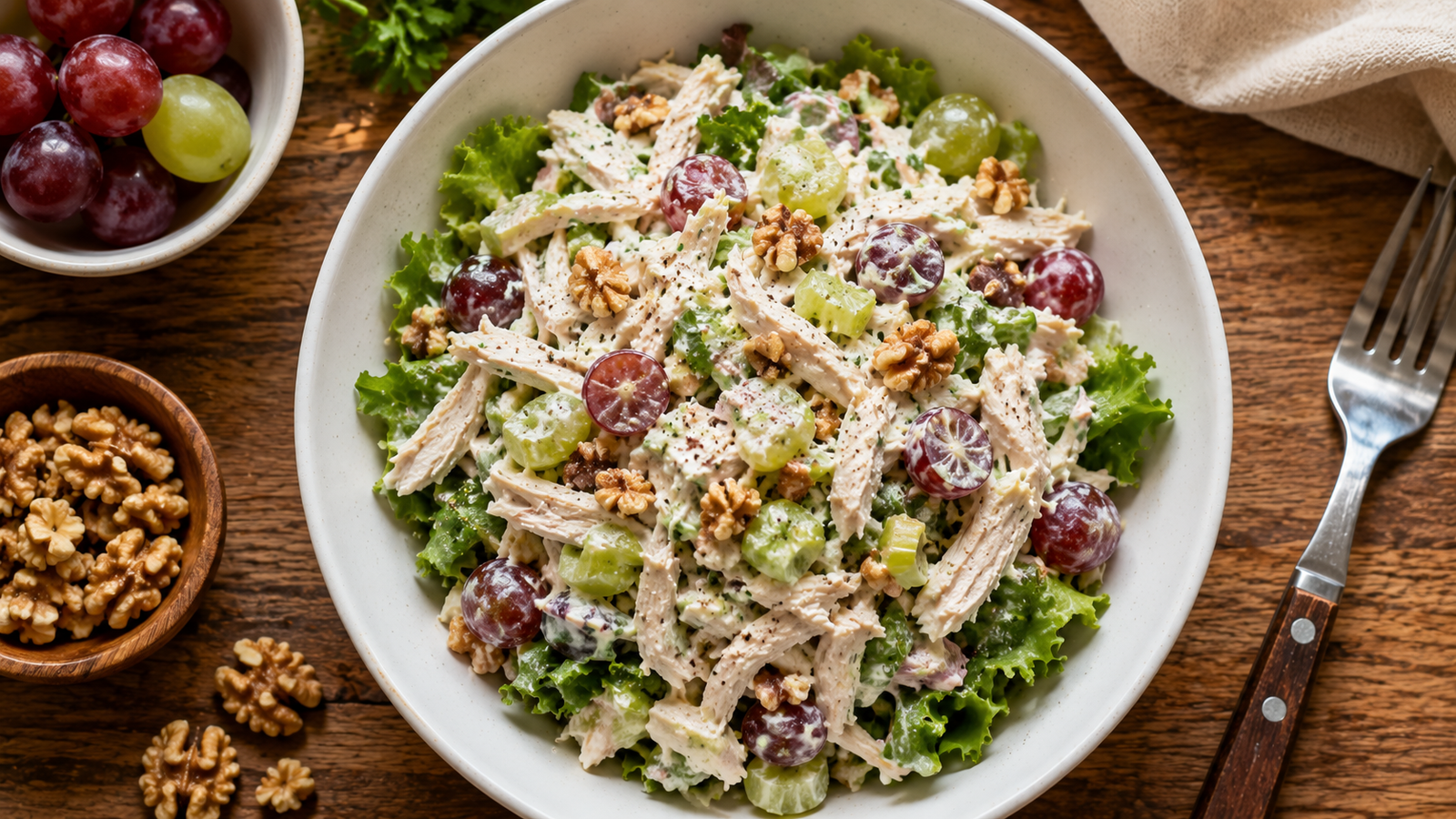
Celery and red onion are classic additions that provide crunch and flavor without adding significant calories which is part of why they remain staples in most chicken salad recipes. Grapes or diced apple bring natural sweetness and fiber which can balance out the savory elements while also adding a pleasant contrast in texture that many people find makes the dish feel more complete.
Nuts such as chopped walnuts pecans or almonds add healthy fats and a satisfying crunch though portion control matters since nuts are calorie dense. Leafy greens like spinach or arugula folded directly into the salad or used as a bed underneath boost the fiber and micronutrient content substantially while also increasing the overall volume of the meal which can help with fullness. Fresh herbs like dill parsley or tarragon add flavor complexity without contributing meaningful calories making them an easy way to elevate the dish.
Simple Chicken Salad Recipes for Busy Days
A fast weekday version combines shredded rotisserie chicken plain Greek yogurt a squeeze of lemon juice diced celery and a small handful of grapes. Mixed together and seasoned with salt and pepper this comes together in under ten minutes and can be served over greens in a wrap or alongside whole grain crackers depending on preference.
For a Mediterranean inspired variation combine diced grilled chicken cucumber cherry tomatoes red onion and crumbled feta with a light olive oil and lemon dressing. This version skips the creamy base entirely while still delivering a satisfying flavorful result that works well as a standalone meal or stuffed into a pita for something more filling.
Meal Prep Friendly Chicken Salad Ideas
Chicken salad holds up well in the refrigerator for several days which makes it a strong candidate for weekly meal prep. Cooking a large batch of chicken breast at the start of the week and portioning it into individual containers along with pre chopped vegetables allows for quick assembly throughout the week without needing to cook daily.
Storing the dressing separately from the chicken and vegetables until just before eating helps prevent the salad from becoming watery or soggy particularly with yogurt or avocado based dressings. Packing the salad alongside whole grain crackers a piece of fruit or a small side of vegetables rounds out the meal into something balanced and ready to grab on busy mornings.
Chicken Salad for Weight Loss
For weight management choosing a yogurt or vinaigrette based dressing over a mayonnaise heavy version keeps the calorie count reasonable while still delivering a satisfying high protein meal. Bulking up the vegetable content with celery cucumber and leafy greens increases the volume of the dish without significantly increasing calories which can help extend fullness on a reduced calorie diet.
Portion awareness still matters even with lighter ingredients since add ins like nuts cheese and dried fruit can add up quickly if left unmeasured. A well balanced weight loss friendly serving typically centers on a generous portion of chicken a light dressing and a strong ratio of vegetables to keep the meal filling without pushing calories higher than necessary.
Chicken Salad for Muscle Building
Anyone focused on building muscle can lean into a larger portion of chicken paired with a protein boosted dressing such as one built primarily from Greek yogurt rather than avocado or oil based options. A single generous serving can easily reach thirty to forty grams of protein when the chicken portion is increased and yogurt is used as the dressing base.
Pairing the salad with a complex carbohydrate source such as a whole grain wrap quinoa or a side of sweet potato helps replenish energy stores particularly around training days. Adding nuts or seeds also contributes a modest amount of additional protein and healthy fat which supports overall recovery without requiring a separate snack.
Reviews and Feedback From People Who Switched to Lighter Chicken Salad
Many people who move away from traditional mayonnaise heavy chicken salad toward a lighter version report being pleasantly surprised by how little they miss the original texture particularly when Greek yogurt is used as the base. This feedback shows up consistently across food blogs and nutrition communities where the swap is often described as one of the easier healthy substitutions to make without feeling like a sacrifice.
Some feedback does point out that avocado based versions can turn slightly brown if stored for more than a day or two which affects appearance even though the flavor generally remains fine. Overall sentiment remains strongly positive with most people highlighting the combination of convenience high protein content and genuine flavor as reasons the lighter version has become a permanent replacement rather than an occasional alternative.
Common Mistakes to Avoid With Chicken Salad
One common mistake is using nonfat Greek yogurt exclusively which can sometimes taste overly tangy or thin compared to a version that blends in a small amount of avocado or a touch of olive oil for richness. Balancing the yogurt with a small amount of healthy fat usually produces a more satisfying result than relying on yogurt alone.
Overcooking the chicken is another frequent issue since dry chicken breast can make the entire salad feel less appealing regardless of how well the dressing and add ins are balanced. Cooking chicken just until it reaches a safe internal temperature and letting it rest before shredding helps keep the meat tender. Finally many people skip seasoning the chicken itself before mixing it into the salad which results in a bland base that the dressing alone cannot fully compensate for.
Why Chicken Salad Is Trending Right Now
The renewed interest in this lighter dish closely mirrors the broader shift toward high protein easy to prepare meals that fit into busy schedules without sacrificing nutrition. Social media recipe accounts have played a significant role in popularizing yogurt based and avocado based versions making the concept feel fresh rather than outdated or old fashioned.
At the same time growing awareness around added sugar and excess fat in traditional deli style salads has pushed more people to make simple swaps at home rather than buying premade versions from grocery stores. This combination of nutritional relevance convenience and adaptability across different dietary approaches explains why chicken salad continues to show up across meal prep content family dinner rotations and lunch planning guides.
Tips for Building Your Own Chicken Salad Routine
Start by choosing a protein forward dressing base whether that is Greek yogurt avocado or a light vinaigrette then build outward from there. A helpful approach similar to the framework covered in Nutravyntra’s healthy eating guides is to think in terms of lean protein plus crunchy vegetable plus a touch of natural sweetness plus a light dressing. This keeps the salad flexible enough to rotate ingredients throughout the week without losing the nutritional balance that makes it worthwhile.
Batch cooking chicken at the start of the week even without deciding on a specific recipe yet makes it far easier to throw together a salad on short notice. Keeping a few go to combinations in rotation rather than making the same version every time also helps prevent the meal from feeling repetitive which tends to be the biggest reason people abandon a healthy routine after a few weeks.
Frequently Asked Questions
Is chicken salad healthy for weight loss?
Yes when made with a lighter dressing like Greek yogurt or a vinaigrette and a strong ratio of vegetables to chicken it can support weight loss goals well. Watching portion sizes on add ins like nuts and cheese helps keep the calorie count reasonable.
What can I use instead of mayonnaise in chicken salad?
Plain Greek yogurt mashed avocado and light olive oil based vinaigrettes are all popular substitutes that reduce fat and calories while maintaining flavor. Many people blend a small amount of avocado with yogurt for a balance of creaminess and lightness.
How long does chicken salad last in the fridge?
Properly stored chicken salad generally stays fresh for three to four days in the refrigerator when kept in an airtight container. Salads made with avocado tend to have a slightly shorter ideal window due to browning.
Can I make this dish ahead of time for meal prep?
Yes chicken salad is well suited for meal prep especially when the dressing is stored separately from the chicken and vegetables until just before eating. This helps prevent the texture from becoming watery over several days.
Is Greek yogurt chicken salad good for muscle building?
Yes using Greek yogurt as the dressing base combined with a generous chicken portion can push a single serving well past thirty grams of protein. Pairing it with a complex carbohydrate source further supports recovery and energy needs.
What vegetables work best in chicken salad?
Celery red onion leafy greens and cucumber are popular choices that add crunch and volume without significantly increasing calories. Grapes or diced apple can also be added for natural sweetness and extra fiber.
Can chicken salad be eaten without bread?
Yes it works well served over leafy greens wrapped in lettuce or eaten alongside whole grain crackers for those avoiding bread. This keeps the meal lighter while still feeling satisfying and complete.
Is rotisserie chicken a good option for this recipe?
Yes as long as the skin is removed before shredding rotisserie chicken is a convenient lean protein option that saves significant prep time. It works particularly well for quick weekday versions of the salad.
Conclusion
Healthy chicken salad proves that a classic comfort food does not need heavy mayonnaise or excess calories to taste satisfying and feel indulgent. With simple swaps like Greek yogurt or avocado based dressings and a generous mix of fresh vegetables this dish becomes a genuinely nutritious option that supports weight management muscle building and everyday energy needs.
Whether the goal is a quick weekday lunch a meal prep staple or a lighter take on a family favorite starting with one of the ideas covered in this guide is an easy way to build a healthier version of chicken salad into a regular routine. For more practical food guidance visit Nutravyntra and explore additional ways to build balanced everyday meals.