
Quick answer: Chana protein per 100g is about 20 g when dry and about 9 g when boiled. According to USDA data for chickpeas, dry chana also has about 12 g of fiber and 378 calories per 100 g, so one cup of boiled chana gives about 14.5 g of protein.
Chana is one of the most common protein foods in desi kitchens. Whether you eat kala chana, kabuli chana (chole), bhuna chana or sprouts, it is cheap, filling and easy to cook in many ways.
This guide explains chana protein per 100 g dry, boiled and soaked, kala vs kabuli chana, roasted chana, besan and chana dal, protein in common portions, chana vs paneer, soya, eggs and chicken, benefits, how much to eat and simple high protein chana ideas.
Table of Contents
Chana Nutrition per 100g (Dry vs Boiled)
Values are from USDA FoodData Central for chickpeas (garbanzo beans, Bengal gram), mature seeds.
| Nutrient | Per 100 g dry (raw) | Per 100 g boiled |
|---|---|---|
| Calories | 378 kcal | 164 kcal |
| Protein | 20.5 g | 8.9 g |
| Carbohydrates | 63 g | 27.4 g |
| Fiber | 12.2 g | 7.6 g |
| Fat | 6 g | 2.6 g |
| Iron | 4.3 mg | 2.9 mg |
| Folate | 557 mcg | 172 mcg |
Why boiled chana has less protein per 100 g: dry chana absorbs water when soaked and cooked and roughly doubles in weight. The protein stays the same, but it is spread over more weight. For accurate tracking, weigh chana dry or use the boiled values above.
Chana Protein in Common Portions
| Portion | Protein | Calories |
|---|---|---|
| 30 g dry chana (a small handful) | About 6 g | About 113 kcal |
| 50 g dry chana | About 10 g | About 189 kcal |
| 100 g dry chana | About 20.5 g | About 378 kcal |
| 1/2 cup boiled chana (82 g) | About 7 g | About 135 kcal |
| 1 cup boiled chana (164 g) | About 14.5 g | About 269 kcal |
| 1 katori boiled chana (about 150 g) | About 13 g | About 246 kcal |
Katori sizes vary, so weigh your usual bowl once to know your real portion.
Kala Chana vs Kabuli Chana vs Roasted Chana
- Kala chana (desi, black or brown chana): smaller seeds with a thicker, darker skin. Protein is similar to kabuli chana, about 19 to 21 g per 100 g dry depending on the variety and source. The thick skin usually gives a little more fiber.
- Kabuli chana (white chickpeas, chole): the larger, lighter chickpeas used in chole and hummus. USDA chickpea values are usually based on this type: about 20.5 g protein per 100 g dry.
- Roasted chana (bhuna chana): dry chana that is roasted, so almost no water is added. Protein per 100 g stays close to dry chana, about 20 g or a little more. Packets vary, so check the label. A 30 g handful gives about 6 g of protein.
- Soaked chana: overnight soaking roughly doubles the weight, so 100 g of soaked (uncooked) chana has about 10 g of protein. The total protein in your bowl does not change; it is only spread over more weight.
- Sprouted chana: sprouting adds water, so protein per 100 g is lower than dry chana but higher than fully boiled chana. It is a good raw or lightly steamed snack.
Chana Dal, Besan and Sattu Protein
| Chana product (100 g) | Protein | Calories | Fiber |
|---|---|---|---|
| Besan (chickpea flour) | 22.4 g | 387 kcal | 10.8 g |
| Chana dal (split desi chana), dry | About 20 to 22 g | About 350 to 380 kcal | Check the label |
| Sattu (roasted chana flour) | About 20 g or more | Similar to roasted chana, check the label | Check the label |
Besan values are from USDA FoodData Central. Chana dal and sattu vary by brand and how they are processed, so treat these as estimates and check your pack. A besan chilla made with about 40 g of besan gives roughly 9 g of protein.
Chana vs Paneer vs Soya vs Eggs vs Chicken
Per 100 g, as usually eaten. Values are approximate, from USDA and brand labels.
| Food (100 g) | Protein | Calories | Fiber |
|---|---|---|---|
| Soya chunks (dry) | About 52 g | About 345 kcal | About 13 g |
| Chicken breast, cooked | About 29 g | About 151 kcal | 0 g |
| Chana (dry) | About 20.5 g | About 378 kcal | About 12 g |
| Paneer (full fat) | About 20 g | About 323 kcal | 0 g |
| Whole eggs (about 2 eggs) | About 12.5 g | About 143 kcal | 0 g |
| Chana (boiled) | About 8.9 g | About 164 kcal | About 7.6 g |
| Lentils (dal), boiled | About 9 g | About 116 kcal | About 8 g |
- Dry chana and paneer have about the same protein per 100 g, but chana has fiber and much less fat.
- Soya chunks have more than double the protein of dry chana. See soya chunks protein per 100g.
- For paneer details, read paneer protein per 100g, and for chicken, boiled chicken breast calories.
Is Chana a Complete Protein?
Not on its own. Like most pulses, chana is low in one essential amino acid (methionine). The easy fix is to eat it with grains such as roti or rice, as in chole with roti or chana pulao. Together they provide all the essential amino acids. You do not need to eat them in the same meal; eating a mix of foods during the day works too.
Health Benefits of Chana
- High in fiber: about 7.6 g per 100 g boiled helps digestion and keeps you full. For more fiber ideas, see our high fiber breakfast foods.
- Plant protein: a good, cheap protein source for vegetarians, especially when combined with grains.
- Rich in folate and iron: 100 g of boiled chana gives about 172 mcg of folate and 2.9 mg of iron.
- Steadier blood sugar: the fiber and protein slow down digestion, so chana does not raise blood sugar as quickly as refined carbs. The Harvard T.H. Chan School of Public Health describes chickpeas as a good source of both fiber and plant protein.
- Budget friendly: one of the cheapest protein foods per gram.
How Much Chana Can You Eat in a Day?
For most healthy adults, about 1/2 to 1 cup of boiled chana (or 30 to 50 g dry or roasted) a day is a sensible amount. That gives about 6 to 14.5 g of protein.
The general protein recommendation for adults is about 0.8 g per kg of body weight per day, according to Harvard Health. Chana can be one part of that, along with dal, curd, paneer, eggs or soya. New to the topic? Read protein meaning in Hindi for a simple explanation.
Side Effects and Tips
- Gas and bloating: chana is high in fiber. Soak it overnight, throw away the soaking water, cook it well and increase portions slowly.
- Drink enough water when you eat more fiber.
- Watch the cooking: chole cooked in lots of oil or ghee, or fried chana snacks, add many extra calories.
- Kidney disease or a protein-restricted diet: ask your doctor how much is right for you.
Chana for Weight Loss and Gym
Weight loss: the mix of protein and fiber makes chana very filling. Boiled chana chaat or roasted chana are better choices than fried namkeen.
Muscle building: chana alone is moderate in protein when cooked, so pair it with higher protein foods such as paneer, curd, eggs or soya to reach your target. For snack ideas, see our high protein snacks for weight loss.
High Protein Chana Ideas
| Idea | Why it works |
|---|---|
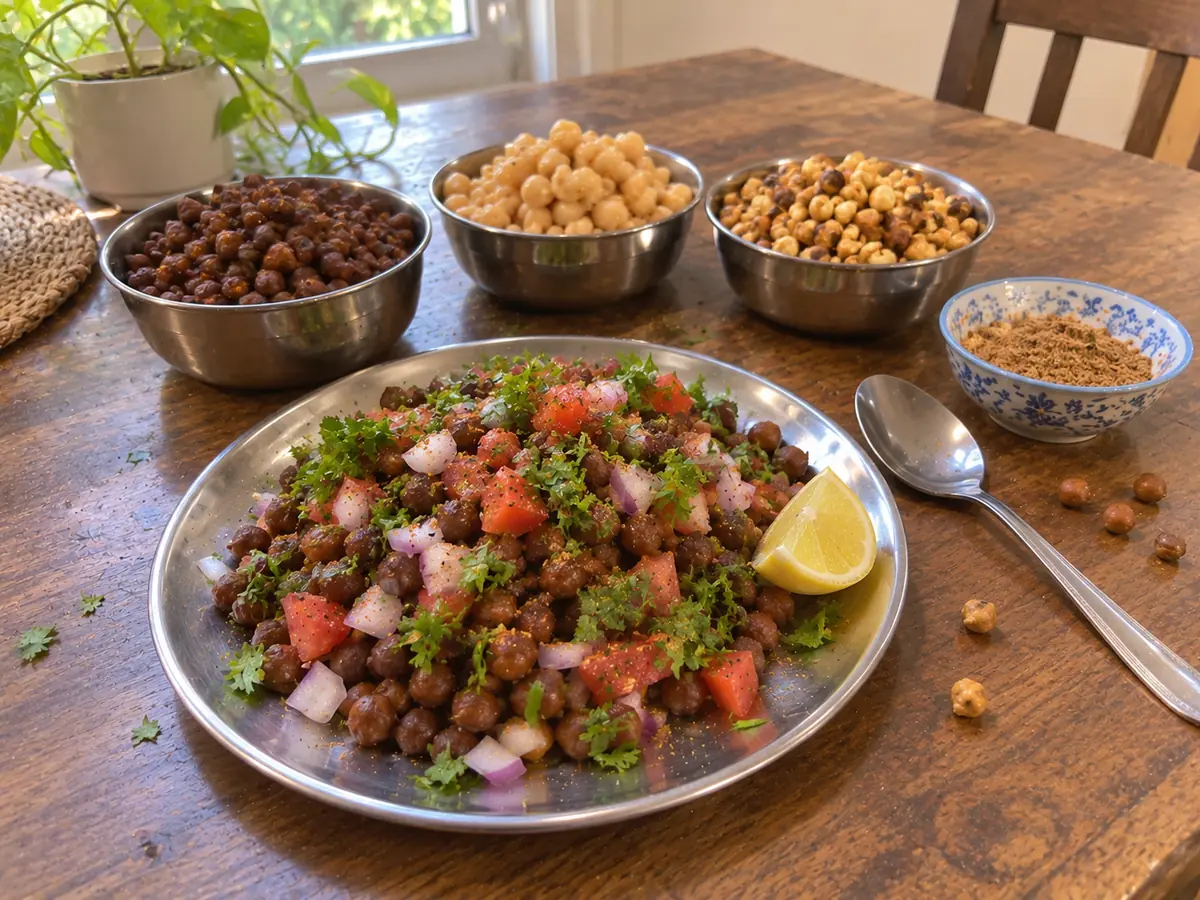
| Kala chana chaat | Boiled chana with onion, tomato, cucumber, lemon and chaat masala, no oil |
| Chana and paneer salad | Two protein sources together, with vegetables |
| Roasted chana and peanuts | Quick snack, keep portions to a small handful |
| Chole with roti | Complete protein when paired with grains, use less oil |
| Sprouted chana salad | Fresh, crunchy and very filling |
| Hummus with vegetables | Blended chickpeas with sesame paste and lemon |
Chana Protein per 100g in Hindi
100 ग्राम सूखे चने में लगभग 20.5 ग्राम प्रोटीन, 378 कैलोरी और करीब 12 ग्राम फाइबर होता है। उबालने के बाद चना पानी सोखकर लगभग दोगुना भारी हो जाता है, इसलिए 100 ग्राम उबले चने में लगभग 8.9 ग्राम प्रोटीन और 164 कैलोरी होती है। एक कप उबले चने (164 ग्राम) में लगभग 14.5 ग्राम प्रोटीन होता है। काले चने और काबुली चने में प्रोटीन लगभग बराबर होता है, और भुने चने में सूखे चने जितना ही प्रोटीन रहता है। बेसन में प्रति 100 ग्राम लगभग 22.4 ग्राम प्रोटीन होता है, और एक कटोरी (लगभग 150 ग्राम) उबले चने में लगभग 13 ग्राम प्रोटीन मिलता है। चने को रोटी या चावल के साथ खाने से प्रोटीन पूरा होता है। गैस से बचने के लिए चने को रात भर भिगोकर अच्छी तरह पकाएं।
| चना | प्रोटीन | कैलोरी |
|---|---|---|
| 100 ग्राम सूखा चना | लगभग 20.5 ग्राम | लगभग 378 |
| 100 ग्राम उबला चना | लगभग 8.9 ग्राम | लगभग 164 |
| 1 कप उबला चना | लगभग 14.5 ग्राम | लगभग 269 |
Frequently Asked Questions
How much protein is in 100g of chana?
About 20.5 g in 100 g of dry chana and about 8.9 g in 100 g of boiled chana, according to USDA data.
How much protein is in 100g of kala chana?
About 19 to 21 g per 100 g dry, similar to kabuli chana. Boiled kala chana has roughly 8 to 9 g per 100 g.
How much protein is in 100g of boiled chana?
About 8.9 g, with 164 calories and 7.6 g of fiber.
How much protein is in roasted chana?
Close to dry chana, about 20 g or a little more per 100 g, because roasting adds no water. A 30 g handful has about 6 g. Check the label on your packet.
How much protein is in 1 cup of chana?
About 14.5 g in 1 cup (164 g) of boiled chana.
Is chana better than paneer for protein?
Per 100 g dry, chana and paneer have about the same protein (about 20 g), but chana has fiber and much less fat. Paneer has more calcium. Both are useful, and eating them together gives a high protein meal.
Is chana good for weight loss?
Yes. Its protein and fiber keep you full for longer. Choose boiled or roasted chana over fried snacks and oily gravies.
Is chana a complete protein?
Not by itself, but eating it with grains like roti or rice provides all the essential amino acids.
Which chana has the most protein?
Per 100 g, besan (about 22 g), roasted chana and dry kala or kabuli chana (about 20 g) are the highest. Boiled, soaked and sprouted chana have less per 100 g only because they contain water.
How much protein is in soaked chana?
About 10 g per 100 g of soaked, uncooked chana, because soaking roughly doubles the weight.
How much protein is in 1 katori of chana?
About 13 g in a katori of about 150 g of boiled chana. Katori sizes vary, so weigh yours once.
Is chana good for diabetes?
Chana is high in fiber and protein and raises blood sugar slowly compared with refined carbs, so it can fit a diabetes-friendly diet in sensible portions. If you have diabetes, ask your doctor or dietitian how much is right for you.
When is the best time to eat chana?
Any time suits most people. Boiled or sprouted chana works well at breakfast or as an evening snack. If chana gives you gas, avoid large portions late at night.
Can I eat chana every day?
Yes, most healthy adults can eat about 1/2 to 1 cup of boiled chana a day. Increase slowly if you get gas.
Final Thoughts
Chana protein per 100g is about 20.5 g dry and 8.9 g boiled, with plenty of fiber, iron and folate. Kala, kabuli and roasted chana are all good choices. Soak and cook it well, pair it with roti or rice, keep the oil low and combine it with other protein foods like paneer, curd, eggs or soya for the best results.
This article is for general information and does not replace advice from a doctor or registered dietitian.