

Last updated: August 7, 2026
Nutrition figures in this article are sourced from the USDA FoodData Central database and NIH health resources, and are checked for accuracy before publishing.
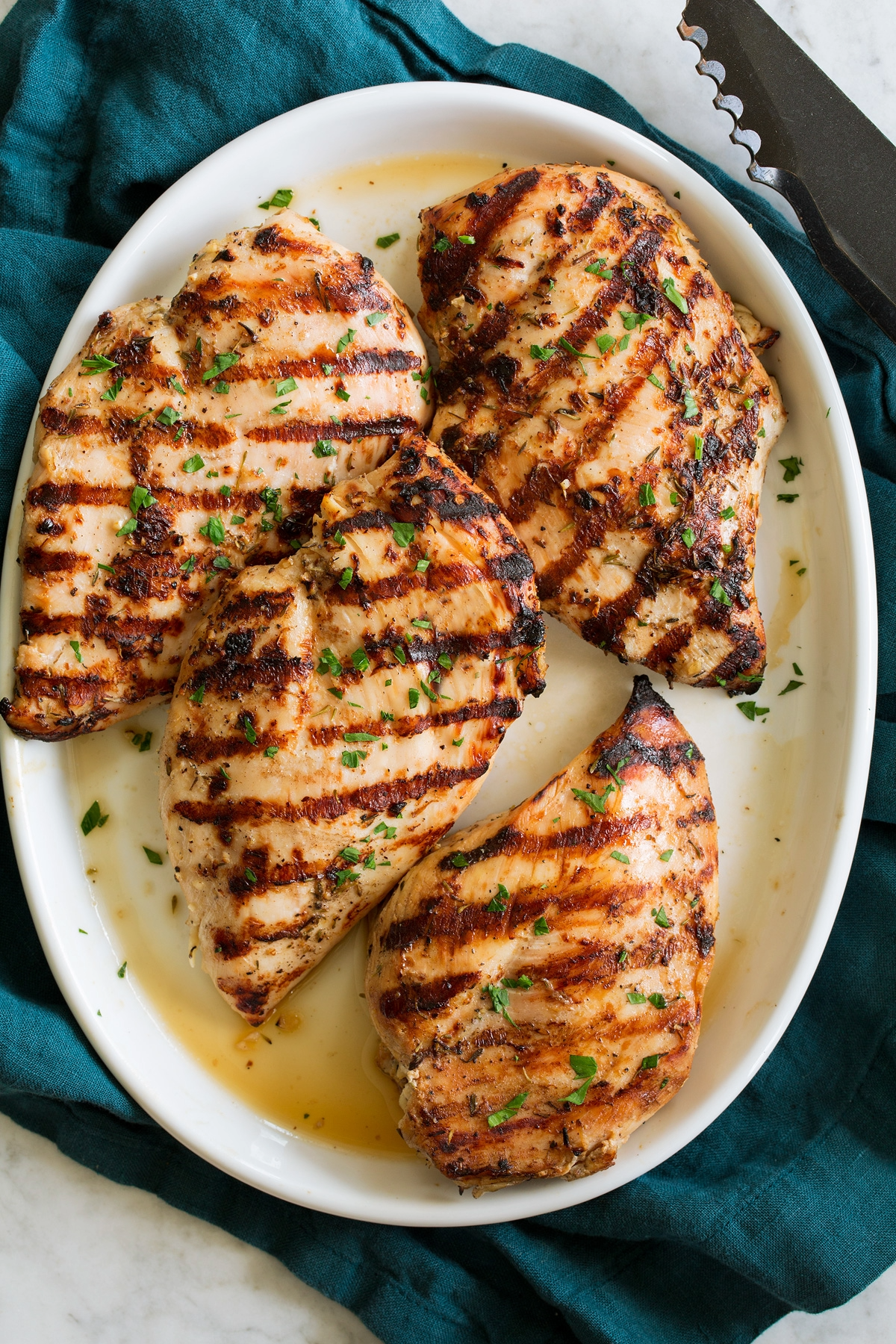
Grilled chicken breast is one of the most popular foods for people who care about their health. It is lean, high in protein, and easy to cook in many ways. But how many calories does it actually have? The answer depends on the size of the piece. It also depends on whether the skin is left on and how it is prepared.
This article breaks down the calories in grilled chicken breast in a clear and simple way. You will find nutrition tables, comparisons with other cooking methods, common mistakes people make, and tips to keep your meals healthy without giving up flavor.
Table of Contents
Key Takeaways
- A 3 ounce serving of grilled skinless chicken breast has about 140 calories.
- A 100 gram serving has about 165 calories.
- Grilling is one of the lowest calorie cooking methods for chicken because it needs little or no added oil.
- Skin, marinades, and sauces can add extra calories without you noticing.
- Grilled chicken breast is a strong source of protein. This supports muscle and helps you feel full.
How Many Calories Are In Grilled Chicken Breast
The calorie count of grilled chicken breast changes based on portion size. Below is a simple breakdown using data from the USDA FoodData Central database for cooked, skinless, boneless chicken breast.
| Serving Size | Calories | Protein | Fat |
|---|---|---|---|
| 3 oz (85g) | 140 | 26g | 3g |
| 4 oz (113g) | 187 | 35g | 4g |
| 100g | 165 | 31g | 3.6g |
| 1 whole breast, cooked (about 172g) | 284 | 53g | 6g |
These numbers are for chicken breast that has no skin and no added oil or sauce. If you add butter, oil, breading, or a sugary marinade, the calorie count will go up.
Grilled Chicken Breast: With Skin vs Without Skin
Many people do not realize how much of a difference the skin makes. Chicken skin is high in fat, so leaving it on during grilling adds a noticeable amount of calories.
| Type | Calories per 100g | Fat per 100g |
|---|---|---|
| Skinless grilled chicken breast | 165 | 3.6g |
| Grilled chicken breast with skin | 197 | 7.8g |
If your main goal is to manage weight or reduce fat intake, removing the skin before or after cooking is a simple way to lower calories while still enjoying the same amount of chicken.
Grilled Chicken Breast vs Other Cooking Methods
The way you cook chicken breast changes the final calorie count. Grilling tends to be one of the healthier options because fat drips away during cooking and little to no oil is usually needed.
| Cooking Method | Calories per 100g (approx) | Notes |
|---|---|---|
| Grilled (skinless) | 165 | Excess fat drips off during cooking |
| Baked (skinless) | 165–175 | Similar to grilling, depends on oil used |
| Boiled or poached | 150 | Very low fat, no browning |
| Pan fried in oil | 200–220 | Absorbs oil during cooking |
| Deep fried and breaded | 250–380 | Breading and oil add significant calories; varies widely by recipe and portion |
If you are comparing meals at a restaurant, grilled chicken is almost always the lower calorie choice compared to fried or breaded chicken.
Full Nutrition Facts For Grilled Chicken Breast
Beyond calories, grilled chicken breast offers a strong nutritional profile. Here is what a standard 100 gram serving of skinless grilled chicken breast typically contains.
| Nutrient | Amount per 100g |
|---|---|
| Calories | 165 |
| Protein | 31g |
| Total Fat | 3.6g |
| Saturated Fat | 1g |
| Carbohydrates | 0g |
| Sodium | 74mg (varies with seasoning) |
| Cholesterol | 85mg |
Chicken breast also provides B vitamins such as niacin and B6, along with minerals like phosphorus and selenium, which support energy metabolism and immune health.
What Affects The Calorie Count Of Grilled Chicken Breast
Several factors can raise or lower the number of calories in your grilled chicken, even if the base ingredient stays the same.
- Skin on or off: Skin adds fat and calories.
- Marinades: Oil based or sugary marinades can add 30 to 100 extra calories per serving.
- Cooking oil or butter: Brushing the grill or chicken with oil adds calories even if it is a small amount.
- Portion size: A bigger piece of chicken naturally has more calories even with the same cooking method.
- Sauces and glazes: Barbecue sauce, honey glaze, or teriyaki sauce can add sugar and calories on top of the chicken itself.
Being aware of these factors helps you estimate your meal more accurately, especially if you are tracking calories for weight loss or muscle building goals.
Benefits Of Eating Grilled Chicken Breast
Grilled chicken breast is popular for good reason. It offers several benefits when eaten as part of a balanced diet.
- High in protein: Protein helps repair muscle and keeps you feeling full for longer. This can reduce snacking between meals.
- Low in fat compared to other cuts: Chicken breast has less fat than thighs, wings, or drumsticks.
- Versatile: It pairs well with vegetables, grains, salads, and sauces, making it easy to include in different types of meals.
- Supports weight management goals: Because it is filling and relatively low in calories, it fits well into calorie controlled diets.
- Naturally free of carbohydrates: This makes it a good option for people following lower carb eating patterns.
Protein rich foods like chicken breast are widely recognized in nutrition science for supporting weight management, largely because protein tends to increase feelings of fullness compared to foods higher in fat or refined carbohydrates.
Common Mistakes People Make With Grilled Chicken Breast
- Guessing portion sizes instead of measuring: A small piece of chicken can easily be double the recommended serving size.
- Forgetting about marinade calories: Many marinades contain oil, honey, or sugar that adds up quickly.
- Leaving the skin on without realizing it: This can add 30 or more extra calories per 100 grams.
- Drowning grilled chicken in sauce: A few tablespoons of barbecue sauce can add 50 to 100 calories.
- Overcooking the chicken: This does not change calories much, but it can dry out the meat and lead people to add extra sauce or butter to make it taste better.
Myths vs Facts About Grilled Chicken Breast Calories
| Myth | Fact |
|---|---|
| Grilled chicken has almost no calories | A 100g serving still has about 165 calories, mainly from protein |
| All grilled chicken has the same calorie count | Calories vary based on skin, marinade, oil, and portion size |
| Chicken breast has no nutritional value besides protein | It also provides B vitamins, selenium, and phosphorus |
| Eating only grilled chicken guarantees weight loss | Weight loss depends on total daily calories, not one single food |
| Marinating chicken never changes its calorie count | Oil and sugar based marinades can add noticeable calories |
Tips To Keep Grilled Chicken Breast Low In Calories
- Remove the skin before or after grilling.
- Use herbs, spices, lemon juice, or vinegar based marinades instead of oil heavy ones.
- Measure your portion with a kitchen scale or your palm as a rough guide.
- Choose sauces in small amounts or serve them on the side so you control how much you use.
- Pair grilled chicken with nutrient-rich vegetables and whole grains instead of high calorie sides like creamy pasta.
Sample Meal Ideas Using Grilled Chicken Breast
- Grilled chicken breast with a large mixed salad and a light vinaigrette.
- Sliced grilled chicken over brown rice with steamed broccoli.
- Grilled chicken wrapped in a whole grain tortilla with lettuce, tomato, and salsa.
- Grilled chicken breast with roasted sweet potato and green beans.
These combinations help balance protein, fiber, and healthy carbohydrates while keeping the meal within a reasonable calorie range.
How Grilled Chicken Breast Fits Into A Healthy Diet
Grilled chicken breast can support many different eating patterns, including high protein diets, general weight management plans, and muscle building nutrition plans. Because it is low in fat and free of carbohydrates, it leaves room in your daily calorie budget for vegetables, whole grains, fruit, and healthy fats from other sources.
If you are working toward a specific health or fitness goal, it can help to speak with a registered dietitian or healthcare provider who can guide portion sizes and overall meal planning based on your personal needs. You can also explore personalized meal plans built around your specific goals.
Frequently Asked Questions
How many calories are in a grilled chicken breast?
A standard 3 ounce serving of grilled skinless chicken breast has about 140 calories. A larger 4 ounce serving has roughly 187 calories.
Is grilled chicken breast good for weight loss?
Yes. It is high in protein and low in fat, which can help you feel full while keeping your total calorie intake in check. Weight loss still depends on your overall daily calories, not one food alone.
Does grilling reduce calories in chicken compared to frying?
Yes. Grilling usually results in fewer calories than frying because little or no oil is needed and extra fat can drip away during cooking.
How many calories are in grilled chicken breast with skin?
Grilled chicken breast with the skin left on has about 197 calories per 100 grams, compared to about 165 calories for the skinless version.
Does marinating chicken add calories?
It can. Marinades that contain oil, sugar, or honey add extra calories. Marinades based on herbs, spices, lemon juice, or vinegar add very little.
How much protein is in grilled chicken breast?
A 100 gram serving of grilled skinless chicken breast has about 31 grams of protein, making it one of the most efficient sources of lean protein available.
Conclusion
Grilled chicken breast is a simple, versatile, and nutritious food that fits well into most healthy eating plans. A 3 ounce serving has about 140 calories, while a 100 gram serving has about 165 calories, mostly from protein with very little fat. The exact number can shift depending on whether you leave the skin on, how you season it, and how large your portion is. By paying attention to these small details, you can enjoy grilled chicken breast as a reliable and satisfying part of your diet.
This article is for general informational purposes only and is not a substitute for professional medical or nutritional advice. Please consult a registered dietitian or healthcare provider for guidance specific to your needs.
References
- United States Department of Agriculture, FoodData Central
- National Institutes of Health, Office of Dietary Supplements