

If you’ve ever felt a knot in your stomach before a stressful meeting, or noticed your appetite disappear during a hard week, you’ve already experienced the gut-brain axis in action. This isn’t a wellness buzzword it’s a physical communication highway between your digestive system and your brain, running through the vagus nerve, your immune system, and trillions of gut bacteria that manufacture the very chemicals your brain uses to regulate mood.
What’s changed by 2026 is how specific the research has become. We’ve moved past “eat more fiber” into a much clearer picture: which bacterial strains matter, which foods feed them, and how quickly dietary changes can influence anxiety symptoms. This guide breaks down exactly what to eat and what to limit if you want your daily meals to work with your nervous system instead of against it.
(This article is for general nutrition education and isn’t a substitute for medical or psychiatric care. If anxiety is affecting your daily life, please talk to a doctor or licensed therapist.)
Table of Contents
What Is the Gut-Brain Axis, in Plain Language
Your gut and brain are connected in three main ways:
- The vagus nerve — a direct physical cable carrying signals in both directions between your gut and brain.
- The gut microbiome — the bacteria living in your intestines produce short-chain fatty acids (like butyrate), and even neurotransmitters such as GABA and serotonin precursors.
- The immune and inflammatory system — an unhealthy gut lining can let inflammatory compounds into the bloodstream, and that inflammation is increasingly linked to anxiety and low mood.
In fact, a large share of your body’s serotonin — the neurotransmitter most associated with calm and stable mood — is produced in the gut, not the brain. That single fact explains why what you eat at breakfast can quietly shape how you feel by mid-afternoon.
The Best Gut-Brain Axis Foods for Anxiety Relief
1. Fermented Foods (Psychobiotics)
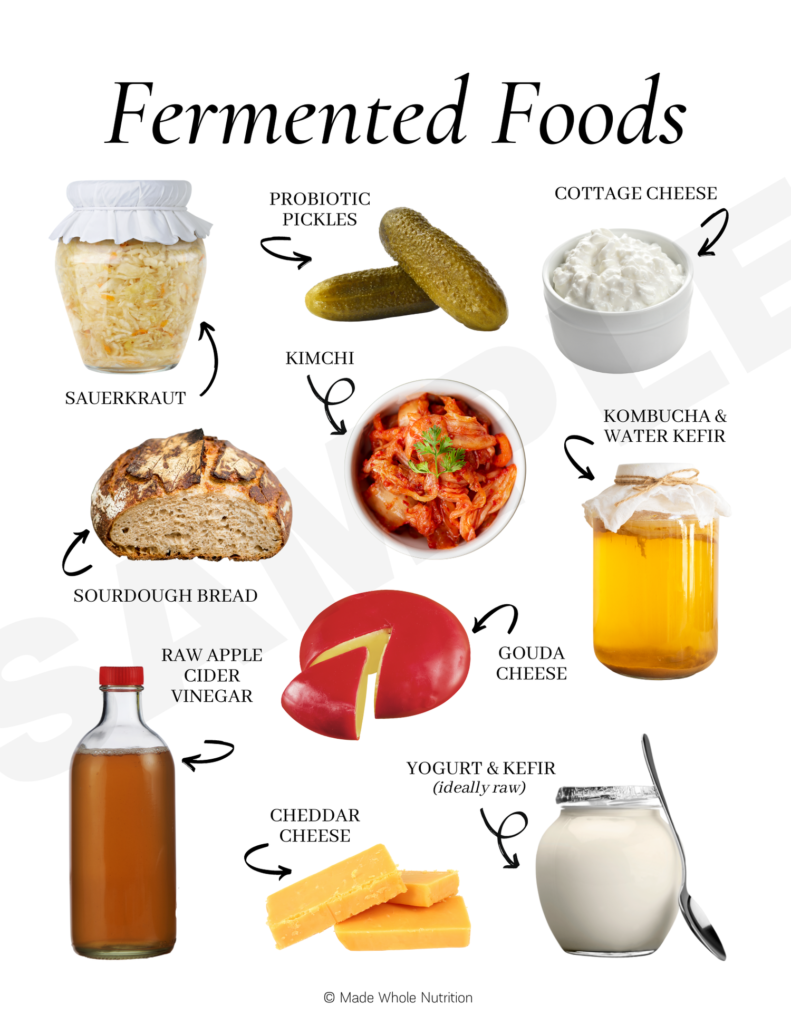
Live-culture foods introduce beneficial bacteria strains directly into your gut. Certain strains, particularly Lactobacillus and Bifidobacterium species, have been studied specifically for their calming effect on the nervous system — a category researchers now call “psychobiotics.”
- Plain yogurt or kefir with live cultures
- Sauerkraut and kimchi (unpasteurized)
- Miso and tempeh
- Kombucha (watch the added sugar content)
2. Prebiotic Fiber (Food for Your Good Bacteria)
Probiotics need fuel. Prebiotic fiber feeds the beneficial bacteria already in your gut, helping them multiply and produce more of the calming compounds your brain relies on.
- Garlic, onions, and leeks
- Bananas (slightly underripe have more resistant starch)
- Oats and barley
- Asparagus and Jerusalem artichokes
3. Omega-3 Rich Foods
Omega-3 fatty acids reduce inflammation and support the structure of brain cell membranes, which has a measurable effect on mood regulation.
- Fatty fish: salmon, sardines, mackerel
- Walnuts and flaxseeds
- Chia seeds
4. Tryptophan and Serotonin-Supporting Foods
Tryptophan is the amino acid your body converts into serotonin. Pairing it with a small amount of carbohydrate actually helps it cross into the brain more efficiently.
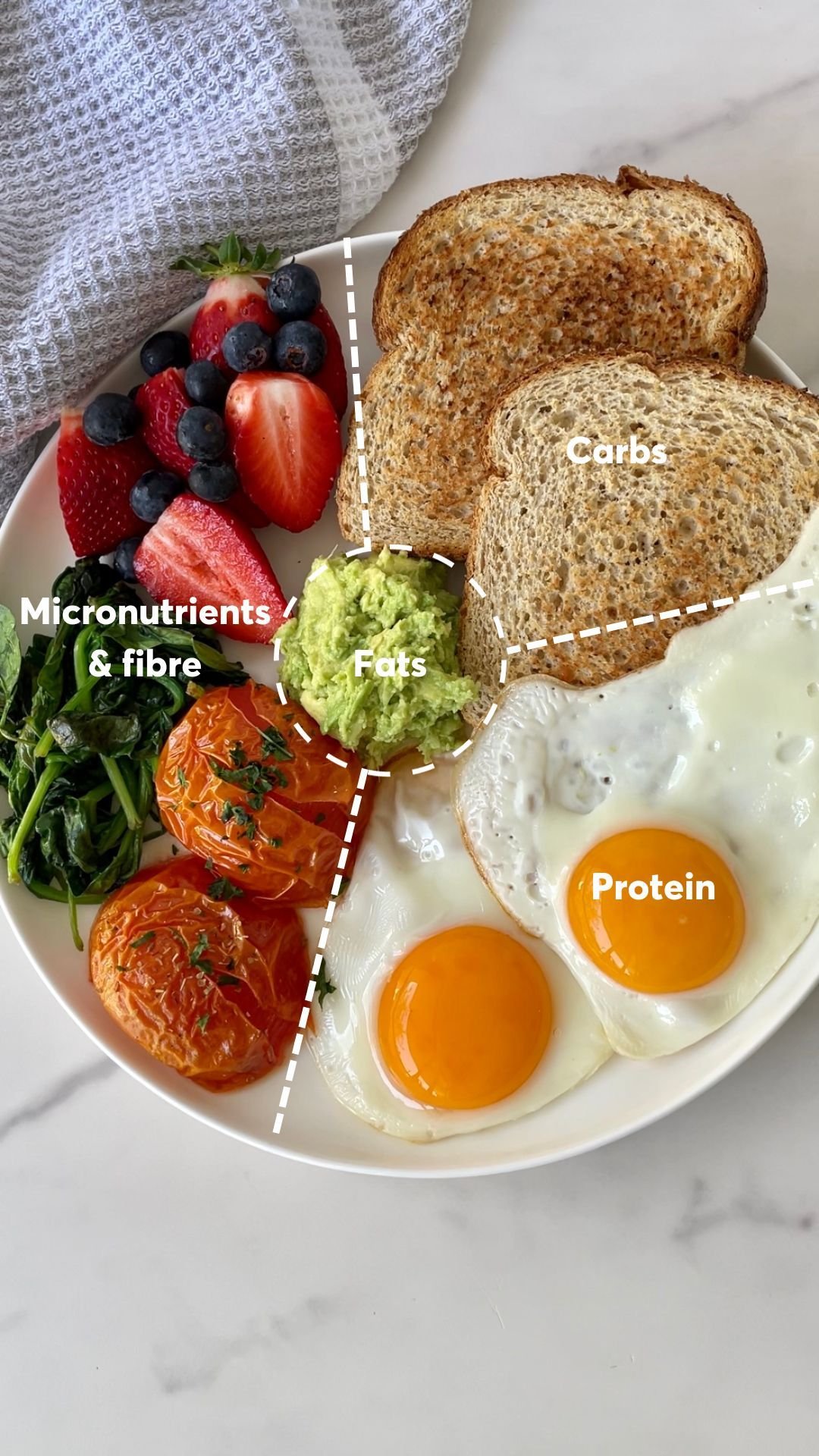
- Eggs
- Turkey and chicken
- Pumpkin seeds
- Cheese
5. Polyphenol-Rich Plants
Polyphenols act as fuel for beneficial gut bacteria while also reducing oxidative stress in the brain.
- Dark leafy greens (spinach, kale)
- Berries
- Dark chocolate (70%+ cacao)
- Green tea
Foods That Work Against Your Gut-Brain Axis
- Ultra-processed foods — linked to reduced microbiome diversity in multiple 2025–2026 dietary studies
- Excess added sugar — feeds less beneficial bacterial strains and contributes to blood sugar spikes that mimic anxiety symptoms (shakiness, racing heart, irritability)
- Excess alcohol — directly disrupts the gut lining and microbiome balance
- Very low-fiber diets — starve the beneficial bacteria that produce calming short-chain fatty acids
A Sample Day of Gut-Brain Axis Eating
| Meal | Foods | Why It Helps |
|---|---|---|
| Breakfast | Greek yogurt with banana, walnuts, and chia seeds | Probiotics + prebiotic fiber + omega-3s in one bowl |
| Lunch | Grilled salmon, quinoa, sautéed spinach and garlic | Omega-3s, polyphenols, and prebiotic fiber |
| Snack | Handful of pumpkin seeds and a square of dark chocolate | Tryptophan + polyphenols |
| Dinner | Miso soup, brown rice, roasted vegetables with onion and leek | Fermented psychobiotics + prebiotic fiber |
This isn’t a rigid meal plan — it’s a template. The goal is consistency: feeding your gut bacteria the same supportive ingredients most days of the week, rather than perfecting a single “anxiety-proof” meal.
How Long Before You Notice a Difference
Most current research suggests measurable changes in gut bacterial composition within 2 to 4 weeks of consistent dietary change, though mood-related effects can vary widely between individuals. Gut-brain nutrition works best as a long-term foundation alongside sleep, movement, and stress-management practices — not as a quick fix.
Frequently Asked Questions
Can food alone cure anxiety?
No. Diet is one supportive tool among several. Nutrition can meaningfully influence mood and stress resilience, but it works alongside — not instead of — therapy, sleep, movement, and, when appropriate, medical treatment.
What is the single best food for the gut-brain axis?
There isn’t one “best” food — variety matters more than any single ingredient. A gut that regularly receives fermented foods, fiber, and omega-3s together tends to show the most benefit.
Are probiotic supplements as effective as fermented foods?
Whole fermented foods provide fiber and nutrients alongside live cultures, giving your gut more to work with. Supplements can help fill gaps but generally aren’t a direct replacement for a varied, fiber-rich diet.
Does gut-brain nutrition help with stress as well as anxiety?
Yes — the same mechanisms (reduced inflammation, balanced blood sugar, and neurotransmitter support) that ease anxiety symptoms also support general stress resilience.Final Thoughts
Your gut and your brain are never really having separate conversations — they’re on the same call, all day, every day. The foods you choose at each meal either support that connection or quietly work against it. You don’t need to overhaul your entire diet overnight; start by adding one fermented food and one extra source of fiber to your day, and build from there.
Small, consistent changes to what you eat can genuinely shift how calm and steady you feel over time — but they work best as part of a bigger picture that includes good sleep, movement, and support from a professional when anxiety feels like more than you can manage alone.