

Last updated: October 21, 2026. This guide is for general information for adults and does not replace advice from a doctor or a qualified professional piercer.
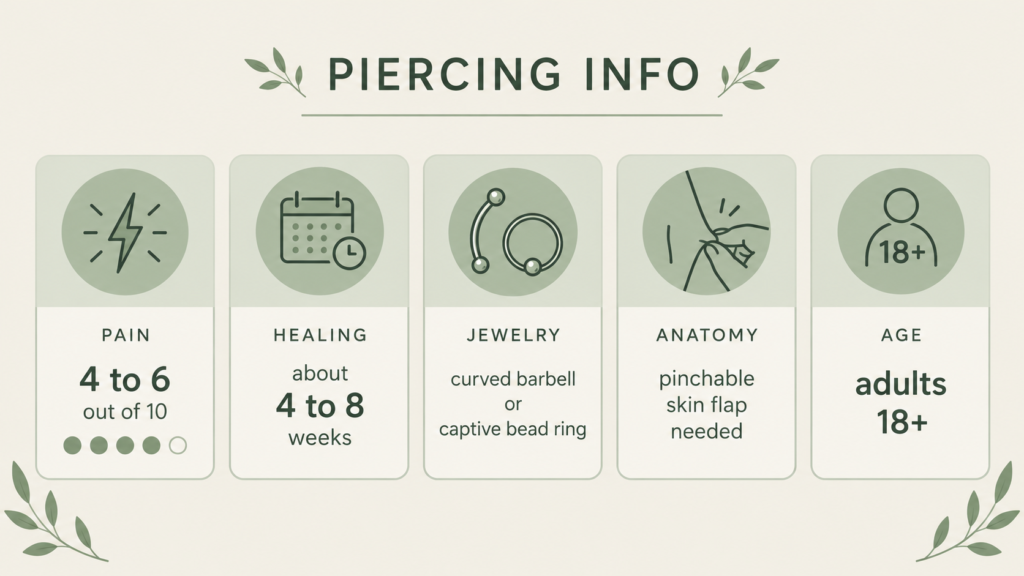
Quick answer: A fourchette piercing is a female genital piercing through the small fold of skin at the back edge of the vulva, where the inner labia meet. Only people with a pinchable flap of skin there can get it. Most people rate the pain around 4 to 6 out of 10, and healing usually takes about 4 to 8 weeks with careful aftercare.
Body piercings have become a popular way to express personal style. While nose, septum and navel piercings remain common, some adults choose more private placements. One of the rarest is the fourchette piercing, sometimes misspelled as “forsette piercing”.
Because this piercing sits in a sensitive area and is not possible for everyone, accurate safety information matters. This guide covers anatomy, pain, healing time, aftercare, risks and when to get help.
What Is a Fourchette Piercing?
A fourchette piercing is a female genital piercing that depends entirely on a person’s anatomy. Unlike many other piercings, it is not physically possible for everyone.
The piercing goes through the fourchette, the small fold of skin at the back edge of the vulva where the inner labia (labia minora) meet. It sits below the vaginal opening and above the perineum, the area of skin between the vulva and the anus.
For a simple overview of the body’s main parts, see our guide to body parts names.
Anatomy check: A fourchette piercing is only possible if there is a distinct, flexible flap of skin that a piercer can gently pinch. If the area is flat or tight, a professional piercer will decline. Piercing flat tissue raises the risk of the jewelry shifting, rejecting or tearing.
What Does a Fourchette Piercing Look Like?
The fourchette piercing is small, minimal and private.
- Placement: The jewelry sits centered at the lower edge of the vulva and is usually not visible.
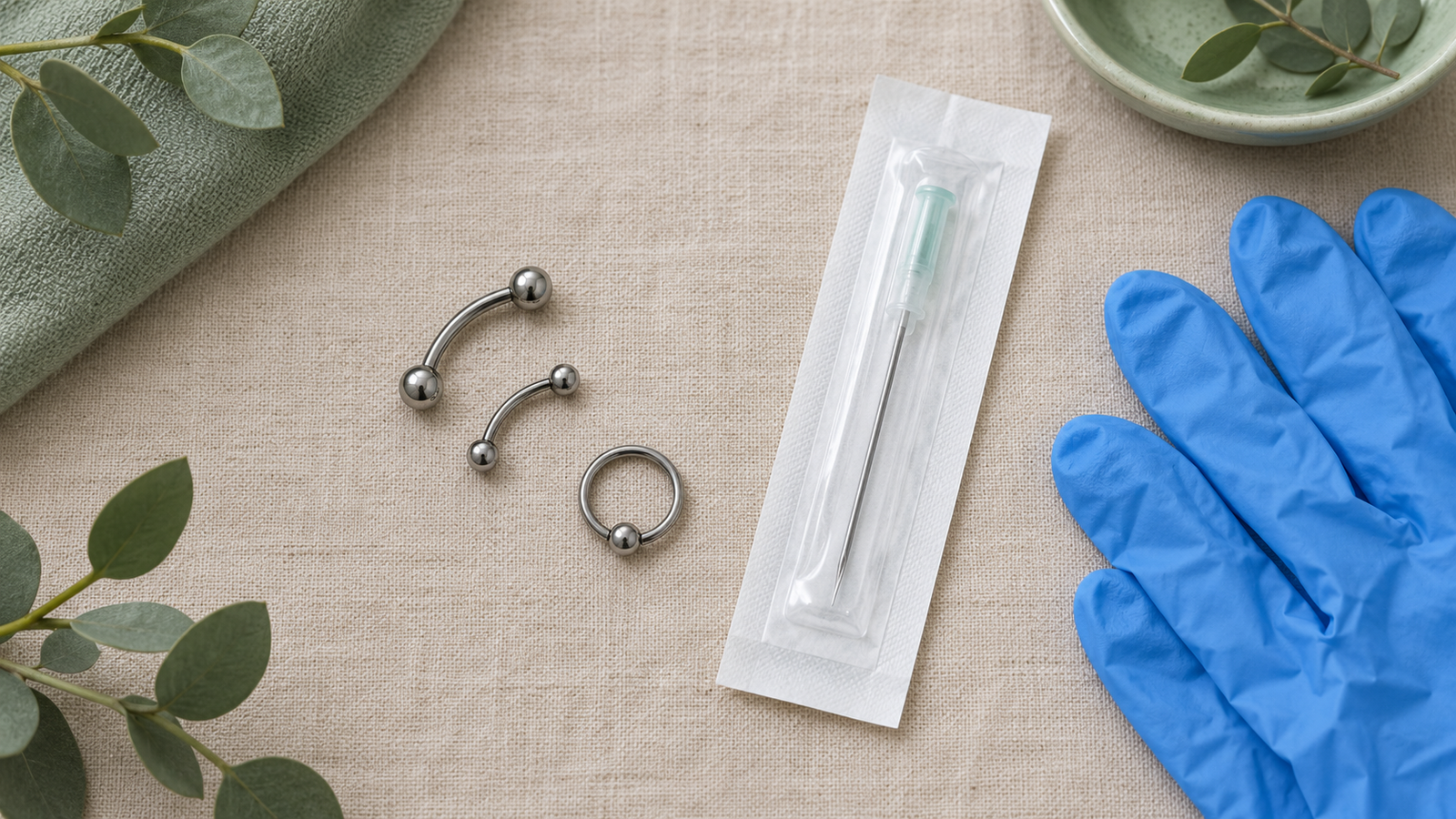
- Jewelry types: The most common choice is a curved barbell, a short slightly bent bar with a bead on each end. Some people choose a captive bead ring.
- Jewelry thickness: Experienced piercers usually choose thicker jewelry, often 12 or 10 gauge. Very thin jewelry can slowly cut through delicate tissue over time.
- Jewelry material: Implant-grade titanium or implant-grade steel is usually recommended to lower the risk of irritation.
What Does Fourchette Mean?
The word “fourchette” comes from French and means “little fork”. It describes how the lower folds of the inner labia meet in a small fork or Y shape.
People choose this piercing for personal reasons. For some it is about body confidence and personal style. Some people report a change in sensation during intimacy, while others find it uncomfortable, so experiences vary. It is also rare, which appeals to people who want something unusual.
Who Should Not Get a Fourchette Piercing
This piercing is for adults only. Reputable piercers require clients to be 18 or older for genital piercings, and many places restrict it by law. Talk to a doctor first, or wait, if any of these apply:
- You are pregnant or planning a pregnancy soon.
- You have diabetes, a bleeding disorder or a weakened immune system, which can slow healing.
- You have an active infection in the area, including a sexually transmitted infection.
- You have a known metal allergy.
- Your anatomy does not have a pinchable flap of skin at the fourchette.
How to Prepare for the Appointment
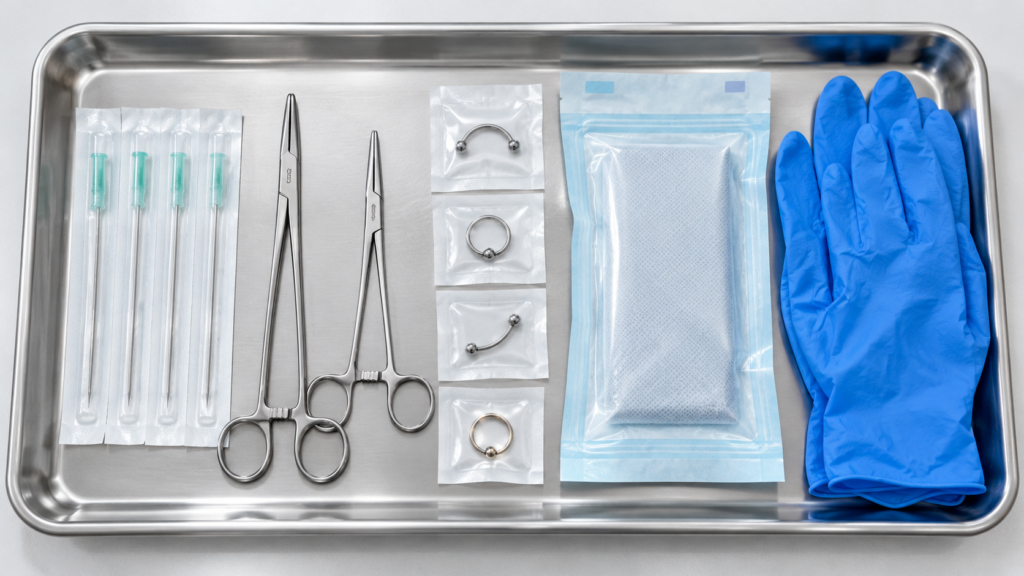
- Choose an experienced piercer: Look for a licensed studio and a piercer with genital piercing experience. Membership of the Association of Professional Piercers (APP) is a good sign.
- Keep clean: Shower before your appointment and avoid scented soaps in the genital area.
- Skip hair removal: Avoid shaving or waxing for 2 to 3 days before, since small cuts can let in bacteria.
- Eat first: Have a light meal and drink water 1 to 2 hours before to lower the chance of feeling faint. For quick ideas, see our easy healthy lunch ideas.
- Dress for comfort: Wear loose clothes and breathable cotton underwear.
How Much Does a Fourchette Piercing Hurt?
The area has many nerve endings, so you will feel a sharp pinch as the needle passes through. A skilled piercer works in one smooth motion, so the sharp pain usually lasts only a few seconds. Most people rate it around 4 to 6 out of 10, but pain is personal and varies. If you feel nervous before the appointment, these stress management techniques can help you stay calm.
Fourchette Piercing at a Glance
| Aspect | Details |
|---|---|
| Location | The back edge of the vulva where the inner labia meet, below the vaginal opening and above the perineum |
| Anatomy needed | A flexible, pinchable flap of skin |
| Pain level | About 4 to 6 out of 10, a short sharp pinch |
| Healing time | About 4 to 8 weeks, varies by person and aftercare |
| Common jewelry | Curved barbell or captive bead ring, often 12 or 10 gauge |
| Main risks | Infection, migration and rejection |
| Age | Adults only (18+) |
Illustrative Examples: Anatomy and Aftercare
The two examples below are illustrative scenarios, not real case stories. They show how anatomy and aftercare can affect results. Individual results vary.
Example 1: When the Anatomy Is Not Suitable
Imagine a woman named Ayesha who books a fourchette piercing. During the consultation, the piercer checks the area and finds the skin is flat with no flap to hold jewelry. The piercer explains that forcing jewelry there would likely cause it to shift and scar.
Ayesha accepts the advice and asks about other options that suit her anatomy. The key lesson is that a good piercer will say no when the anatomy is not right.
Example 2: Careful Aftercare
Imagine a woman named Sana who passes the anatomy check and gets the piercing. Because the area is close to the anus, she takes aftercare seriously. She wears loose cotton clothing, cleans with sterile saline twice a day, wipes front to back and avoids sexual activity while it heals.
In this scenario her piercing heals well in about six weeks. The lesson is that clean habits and patience give the best chance of smooth healing.
Healing Time and Aftercare
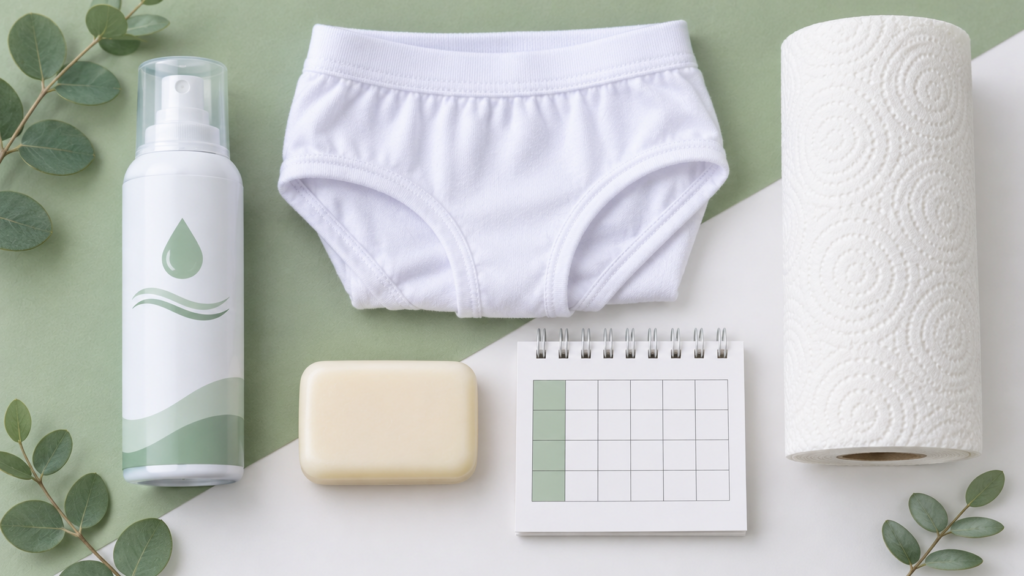
The genital area has a good blood supply, so this piercing often heals faster than cartilage piercings. A fourchette piercing usually heals in about 4 to 8 weeks, though it depends on your health and aftercare. Mild redness, tenderness, swelling and a little clear fluid are normal in the first weeks. Good food, sleep and daily habits support healing, as explained in our guide to building healthy daily habits.
Because the piercing is close to the anus, good hygiene is very important:
- Wash your hands first: Always wash your hands before touching the area.
- Clean with sterile saline: Rinse the piercing twice a day with a sterile saline wound wash (0.9% sodium chloride). Ready-made sterile saline is safer than homemade salt water.
- Wipe front to back: After using the toilet, wipe from front to back to keep bacteria away from the piercing.
- Wear breathable fabrics: Choose loose clothes and cotton underwear to reduce friction.
- Pause sexual activity: Avoid sex until the piercing has healed. After that, using condoms can lower the risk of infection.
- Avoid soaking: Skip swimming pools, hot tubs, lakes and baths while it heals. Showers are fine.
- Leave it alone: Do not twist the jewelry or pick at crusts.
Risks: Migration and Rejection
- Infection: The main risk, due to the location. Clean habits lower the risk.
- Migration: The jewelry slowly shifts from where it was placed and may settle in a new spot.
- Rejection: The body slowly pushes the jewelry out, like a splinter. Signs include thinning skin over the bar, jewelry becoming more visible or the holes getting wider.
- Discomfort: Some people find the jewelry uncomfortable during daily activity or intimacy.
If you notice signs of rejection, see a professional piercer soon. They can remove the jewelry safely before it tears through the skin.
When to See a Doctor or Piercer
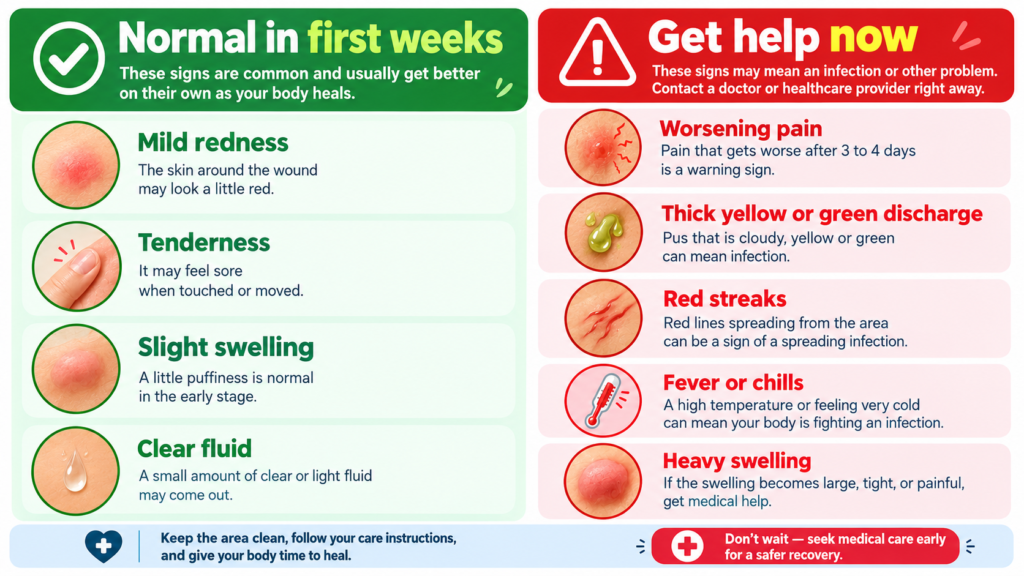
Get help from your piercer or a doctor right away if you notice:
- Pain that keeps getting worse after the first 3 to 4 days.
- Swelling so strong that it presses the jewelry into the skin.
- Thick yellow or green discharge with a bad smell.
- Red streaks spreading from the piercing.
- Fever, chills or feeling generally unwell.
Do not remove the jewelry yourself if you think it is infected unless a doctor tells you to. Removing it can trap the infection inside. Not sure whom to see? Our guide to health care providers explains the main types of clinicians.
Frequently Asked Questions
What is a fourchette piercing?
It is a female genital piercing through the small fold of skin at the back edge of the vulva, where the inner labia meet.
Can every woman get a fourchette piercing?
No. It needs a flexible, pinchable flap of skin at the fourchette. If the area is flat or tight, a professional piercer will decline.
How long does a fourchette piercing take to heal?
Usually about 4 to 8 weeks. Healing time varies with your health and how well you follow aftercare.
How painful is a fourchette piercing?
Most people rate it about 4 to 6 out of 10. The sharp pain usually lasts only a few seconds.
Does a fourchette piercing increase pleasure?
It varies. Some people report a change in sensation, while others feel no difference or find it uncomfortable.
What are the biggest risks?
Infection, migration and rejection. The location close to the anus makes hygiene especially important.
Can I swim while it heals?
It is best to avoid pools, hot tubs, lakes and baths until it has healed, since standing water can carry bacteria.
Is it spelled fourchette or forsette?
The correct spelling is fourchette, from the French word for “little fork”. “Forsette” is a common misspelling.
Final Thoughts
A fourchette piercing is a rare, private piercing that is only possible with the right anatomy. It can heal fairly quickly, but the location makes careful hygiene essential.
If you are considering one, choose an experienced, licensed piercer, ideally an APP member, and let them check your anatomy first. Follow aftercare closely and see a doctor if you notice signs of infection.
Sources
Wikipedia: Fourchette piercing
Association of Professional Piercers (official site)
Braintree District Council: Female genital piercing aftercare
